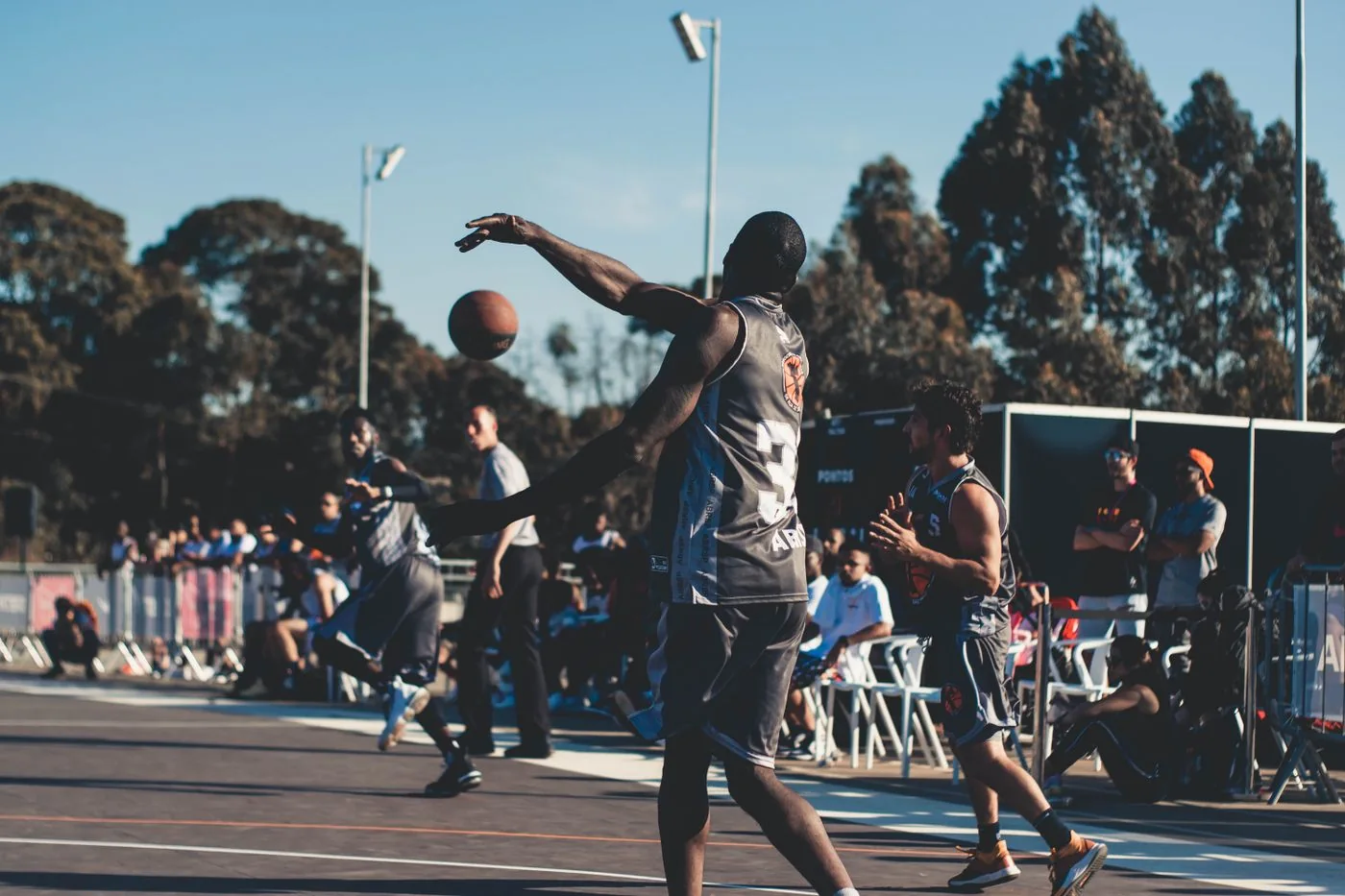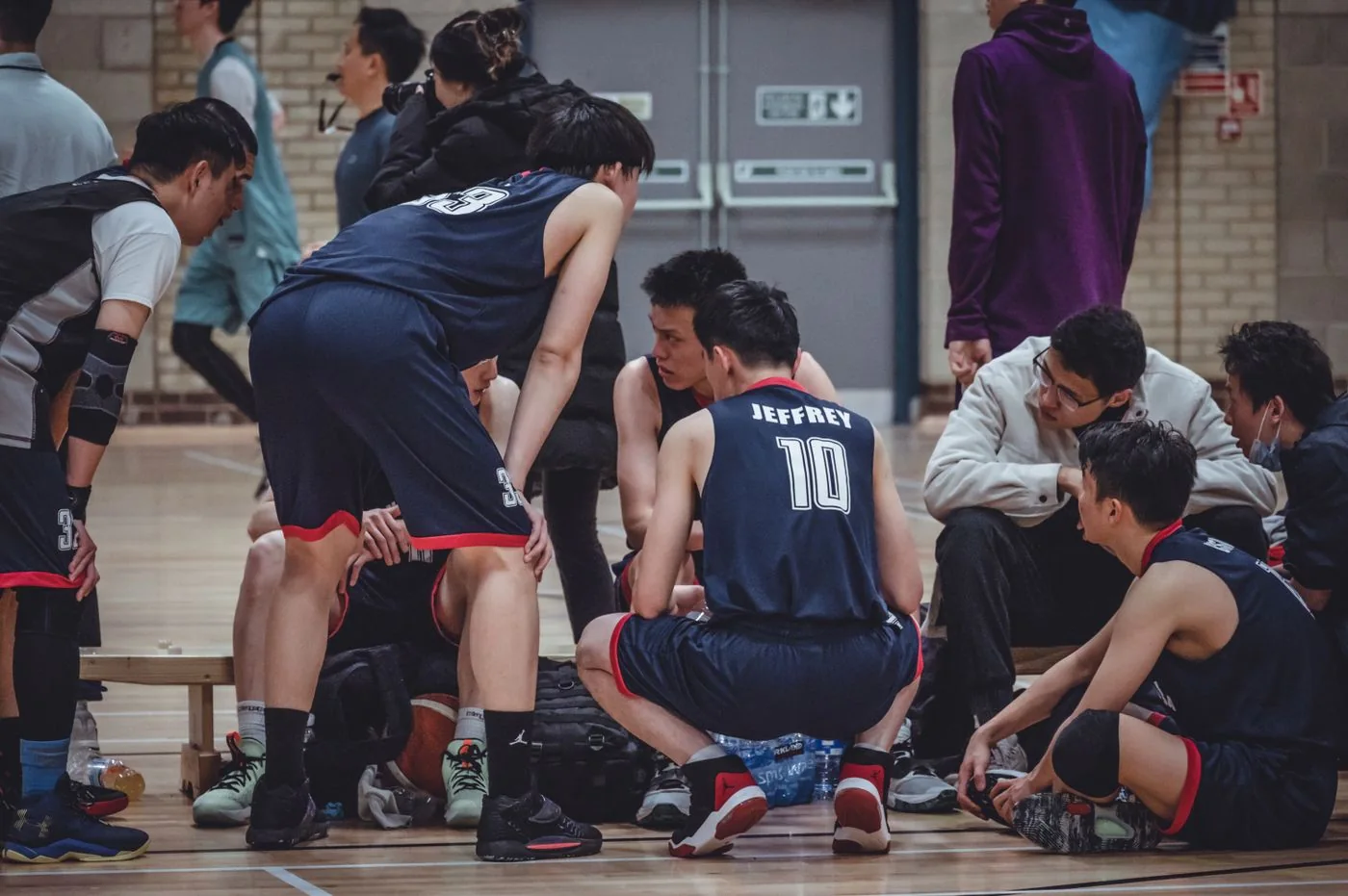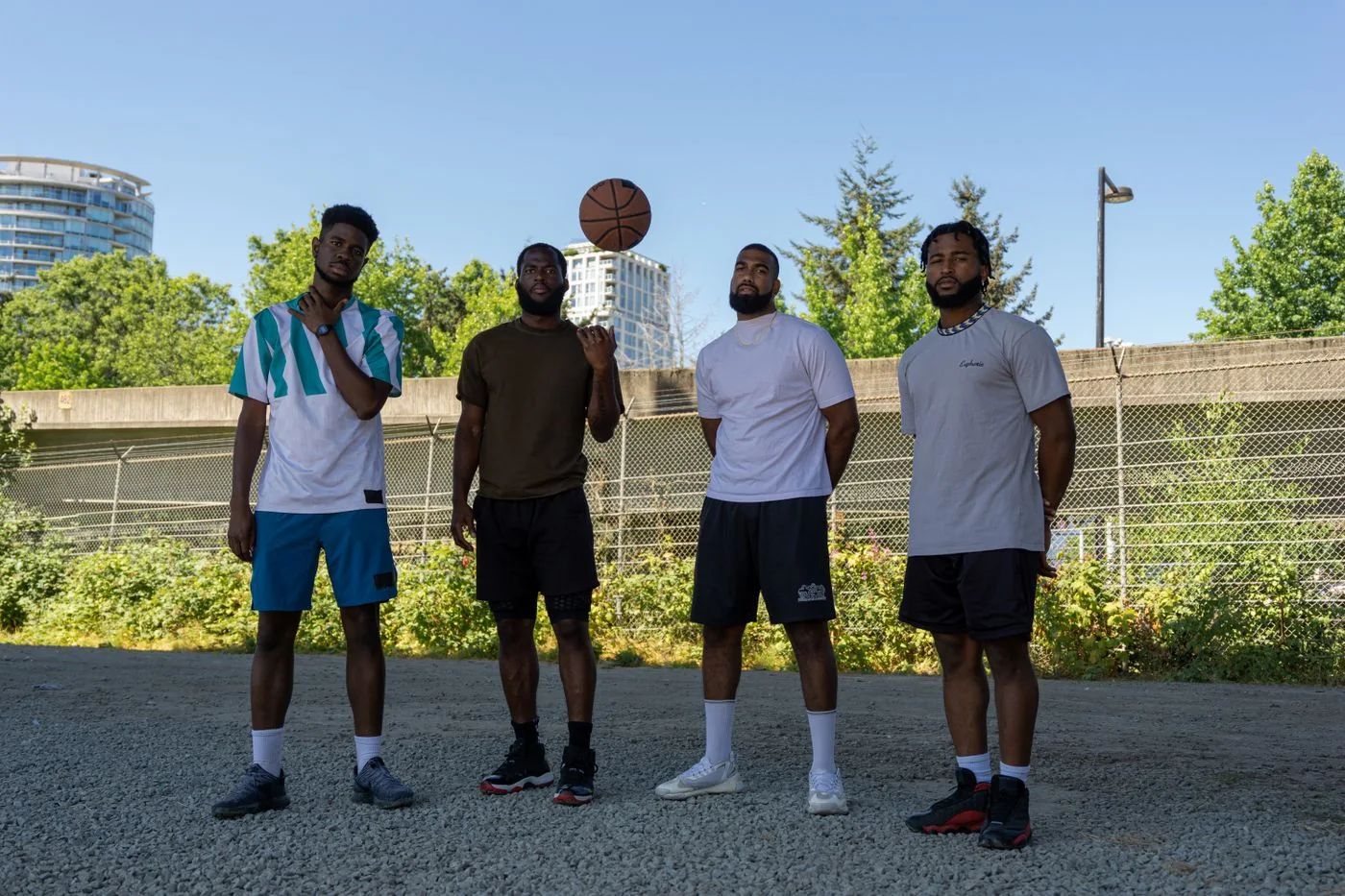
Arriving alone at a busy court can feel harder than playing once you are on a team. You do not need an impressive introduction. You need to find the person organizing the next game, understand how waiting players rotate in and offer a clear request to join. Watching briefly before approaching also helps you judge whether the pace, contact and atmosphere suit the kind of run you want.
Watch one possession from outside the boundary
Put your bag away from the playing area and observe without standing behind the basket or near a landing space. Notice whether teams appear fixed, players are waiting or someone is counting the score. Listen for the language used to organize the game. A court may have a familiar rotation, but do not assume the loudest person controls it. Look for a break in play or ask someone waiting alongside you. A short observation gives your first question context and avoids interrupting a live possession.
Ask a simple joining question
Try a direct introduction: 'Hi, I'm here on my own. How are you working the next game?' That invites someone to explain the system before you claim a place. If they use a waiting order, ask where to put your name or who is ahead of you. If teams are already arranged, ask whether another player is needed. Describe your experience honestly if someone asks. There is no need to advertise yourself as a specialist or promise a level of play you have not demonstrated.
Clarify the basics before stepping on
Ask about the score target, possession after a basket, how fouls are called and any local boundary adjustments. Keep the questions practical and brief. If a phrase is unfamiliar, request an example rather than pretending to understand. You can say, 'When someone scores, who gets the ball here?' Rules that seem obvious to regulars may differ from another court. Learning them before the first check-in prevents an avoidable argument and lets you focus on finding teammates and space once play starts.
Make your first minutes easy to play with
Learn teammates' names if possible, show hands for passes and communicate the simple things you see. Move into available space instead of demanding the ball every possession. When you make a mistake, recover and find the next job. You can be useful immediately through a clear pass, a defensive call or returning a loose ball. Avoid proving yourself with a difficult first shot simply because nobody knows you yet. Familiarity usually develops through a few possessions in which others understand your decisions.
Leave the invitation open
After the game, thank the group and ask when the court is usually active if you enjoyed it. If the run feels unsuitable, you can finish the current game respectfully and look for another time or group. Joining one game does not commit you to accepting every atmosphere.
At a new court, watch briefly, ask how the next game works and confirm the local rules before your first possession.
Something unclear? Send a correction or question.