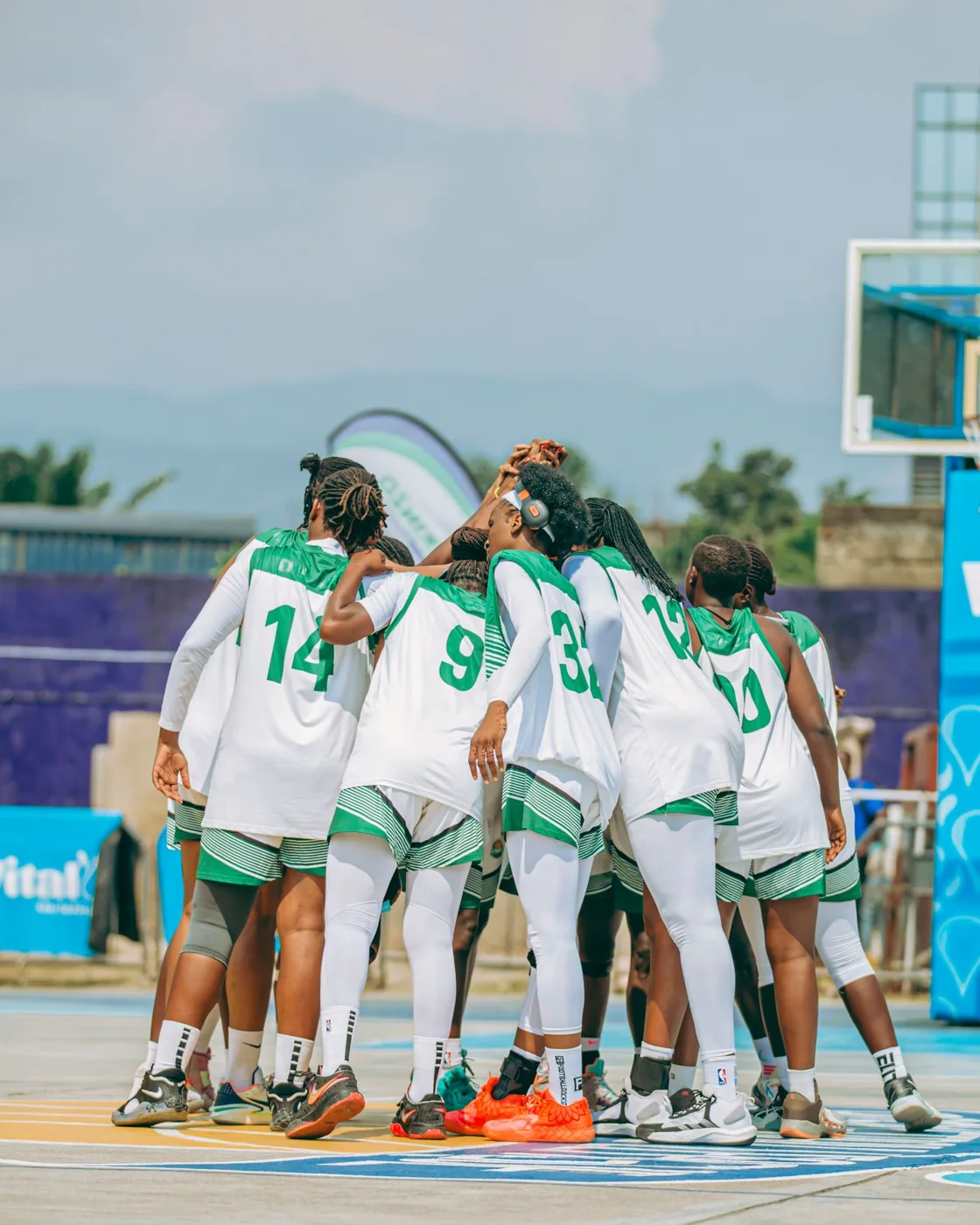
Pickup teams often begin with a quick judgment about height or who made the last difficult shot. Those clues can miss the people who organize possessions, defend consistently or help less experienced players get involved. You cannot guarantee a close game, but you can make the selection process clearer and use a few complementary roles. Keep the first balance provisional, especially when the group includes players who do not know each other.
Ask what people are comfortable doing
Before sorting a new group, ask a few simple questions: who is comfortable bringing the ball up, who prefers playing near the basket and who is still learning? Keep the tone practical rather than turning the answers into public rankings. A player may be tall but unfamiliar with rebounding positions, or short but excellent at organizing the attack. If several people are unknown, start with a short game that lets everyone settle in. Reputation from another group should not outweigh what the current players need to participate.
Spread the initiating roles
Try to give each team someone who can handle pressure and make an initial pass. A side with all the confident ball handlers may control every possession even if the other team has more height. Likewise, distribute players who are willing to defend and recover after turnovers. Think about how a possession begins and how the team gets back when it ends. You are assembling a workable group, not simply adding individual scoring estimates until the totals appear equal.
Avoid making newcomers the bargaining chips
Do not announce that one team must take a beginner to compensate for a strong scorer. Explain any adjustments in terms of team roles or the aim of a closer game, without labeling someone as a burden. If captains choose teams, agree on a respectful method that does not leave people standing through a long performance of status. You can also divide the group privately or rotate combinations across short games. The process should help people start playing, rather than become the most uncomfortable part of the session.
Use a short trial before revising
After one short game, discuss whether the mismatch comes from team composition, unfamiliarity or a few unusual makes. Avoid immediately moving the leading scorer after every burst, which can make the game feel arbitrary. If one side cannot bring the ball into useful space or has no answer to a clear size imbalance, propose a role-based swap and ask the involved players. Make the new arrangement clear before restarting. The reason should be understandable without a public critique of anyone's ability or effort.
Rotate opportunities over the session
Change combinations when the group is ready, so players do not spend the whole run in one uneven matchup. Notice who has repeatedly waited or been asked to fill an unpopular role. A balanced evening includes fair chances to play, even when individual games vary.
Before the first game, distribute confident ball handlers and willing defenders, then review one short game for specific role gaps before making a respectful swap.
Something unclear? Send a correction or question.