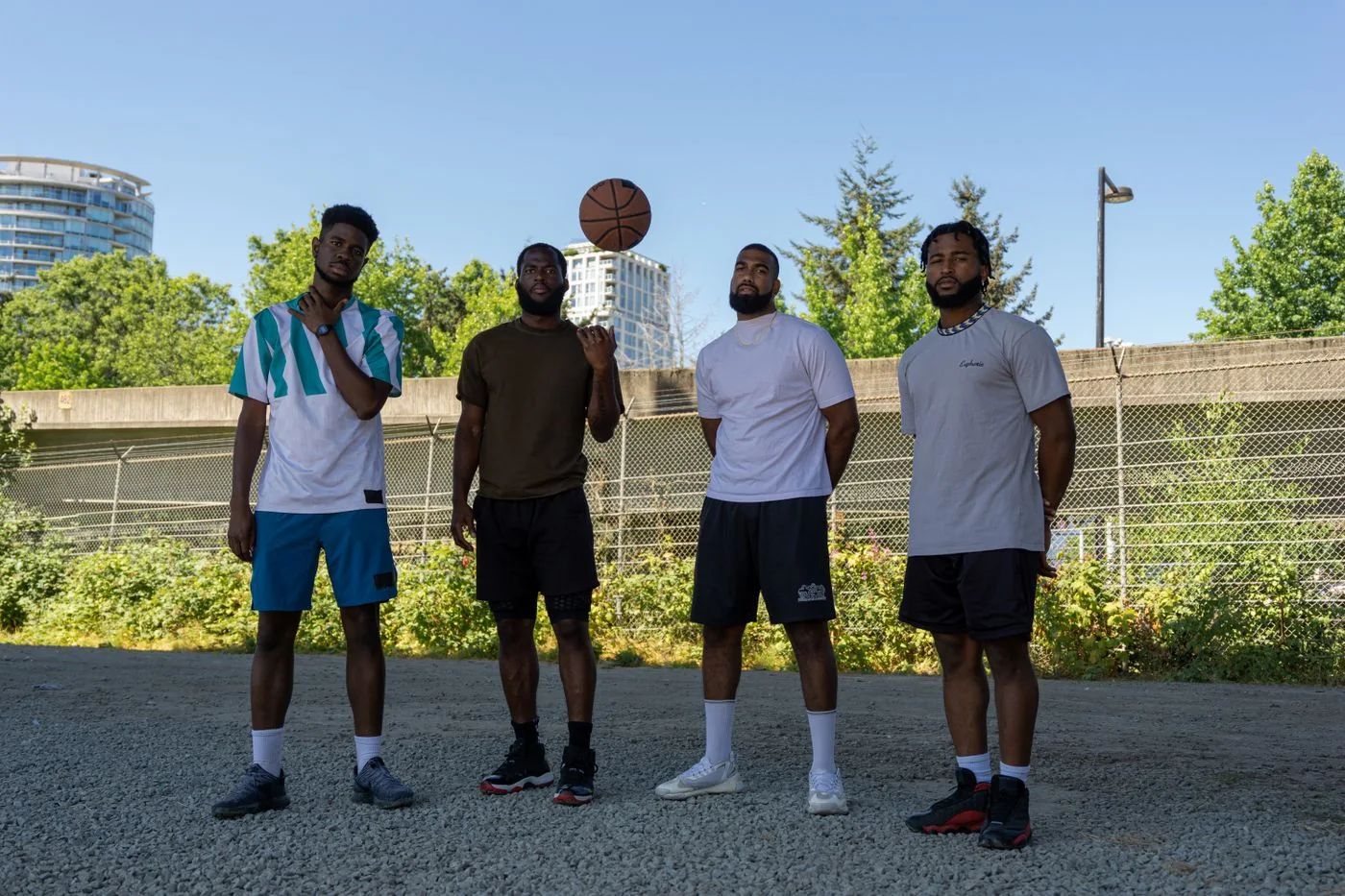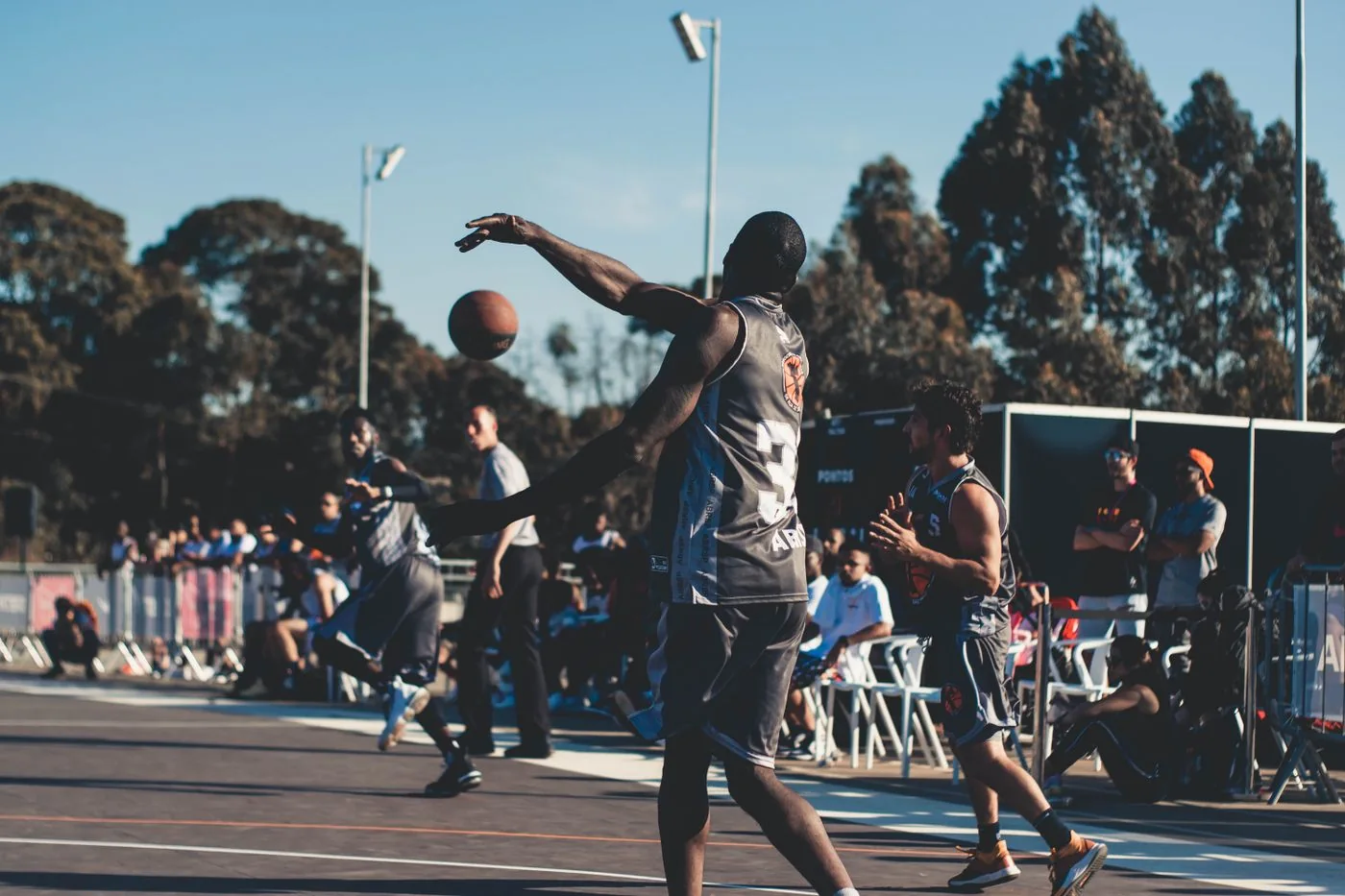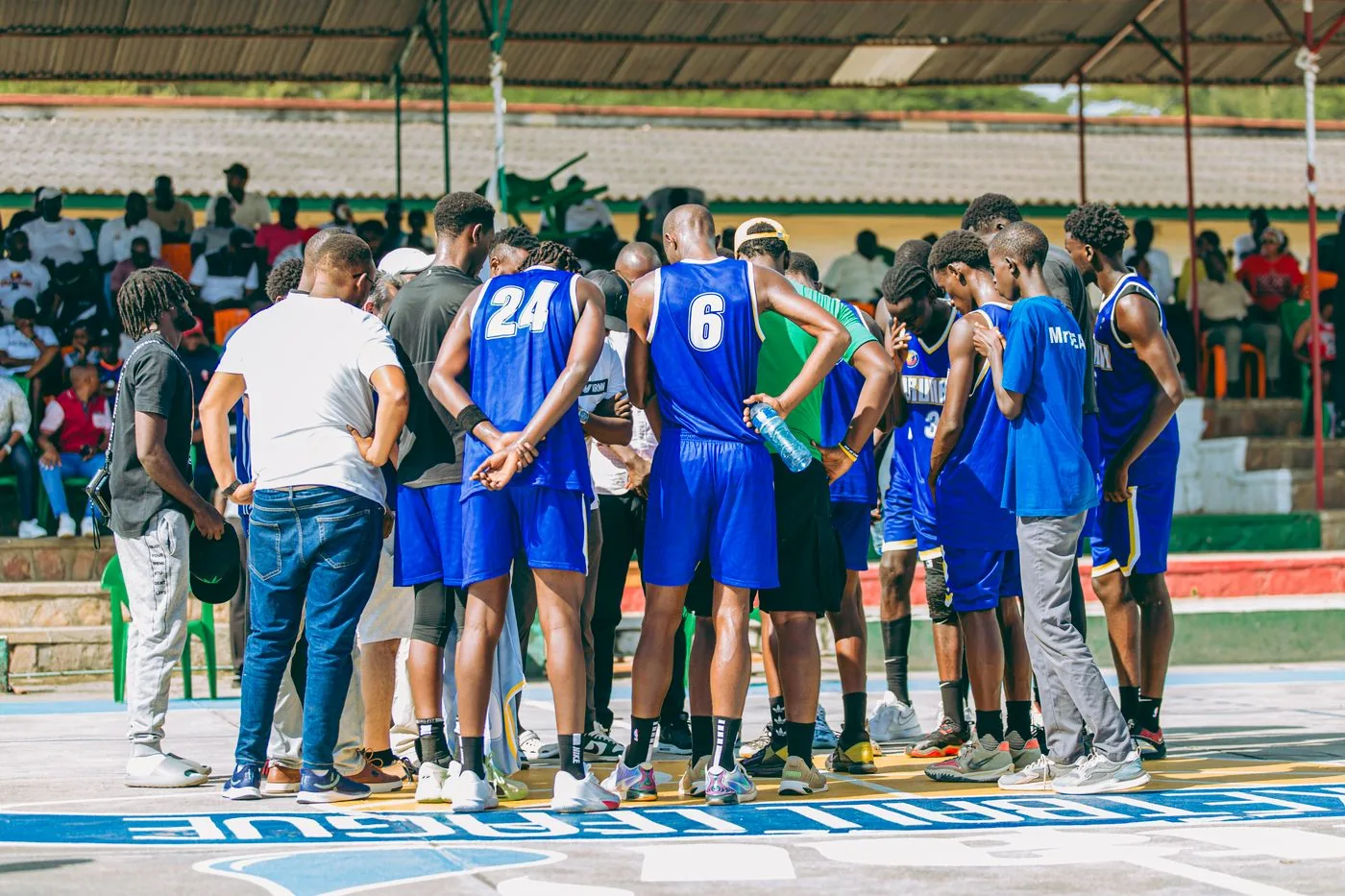
Scoring is visible, so it can become the only contribution a player notices. A team also needs someone to make the next pass possible, protect a rebound, identify a screen and recover when the ball changes hands. These actions do not require pretending that scoring is unimportant. They give you practical ways to affect the game while your shot is quiet or while another teammate has the better opportunity.
Make your space useful
When a teammate drives, move to a location that offers a clear passing lane without following them into the same narrow area. Show your hands and be ready to catch. If another teammate already occupies that spot, find a different angle rather than standing beside them. After making a pass, relocate with a purpose or clear the lane for a cut. Useful movement is not constant running. Sometimes holding a good position keeps a defender away from the ball and gives the attack room to continue.
Deliver the ordinary pass well
A timely pass to the receiver's hands lets the next player shoot, drive or pass without repairing your delivery. Look for the simple opening before attempting a dramatic cross-court throw. When you receive under pressure, keep balance and find an outlet rather than trying to prove that you can escape alone. Notice who is ready: a teammate pointing to open space or showing hands has given you information. Being dependable with routine possessions makes other players more willing to move because they expect the ball to arrive when the opportunity appears.
Talk about what is happening
Call a screen early, identify an open player or tell a rebounder where the outlet is. Use names and short directions the group understands. Avoid turning every possession into a commentary on teammates' mistakes. A useful call arrives before the problem, while there is still time to act. If your team needs a plan for screens or help defense, discuss it during a break. Consistent information can improve several possessions without you touching the ball, especially in a group that has not played together before.
Finish the defensive possession
Locate an opponent when a shot goes up and establish a legal rebounding position. If a teammate secures the ball, show a clear outlet or create space rather than immediately running away out of reach. After a turnover, find the most urgent defensive task instead of remaining behind to express frustration. You may need to protect the basket, slow the ball or identify an unguarded runner. The next job changes with the situation, so keep looking rather than assuming your original assignment still describes the whole play.
Review contributions concretely
After a game, recall a clean outlet, a useful screen call and a possession where your spacing helped. Also note one missed opportunity to make a teammate's action easier. This gives you something to improve without relying on a scoring total to explain your entire game.
Choose one offensive contribution and one defensive contribution for your next run, then recall specific possessions where each helped the team.
Something unclear? Send a correction or question.