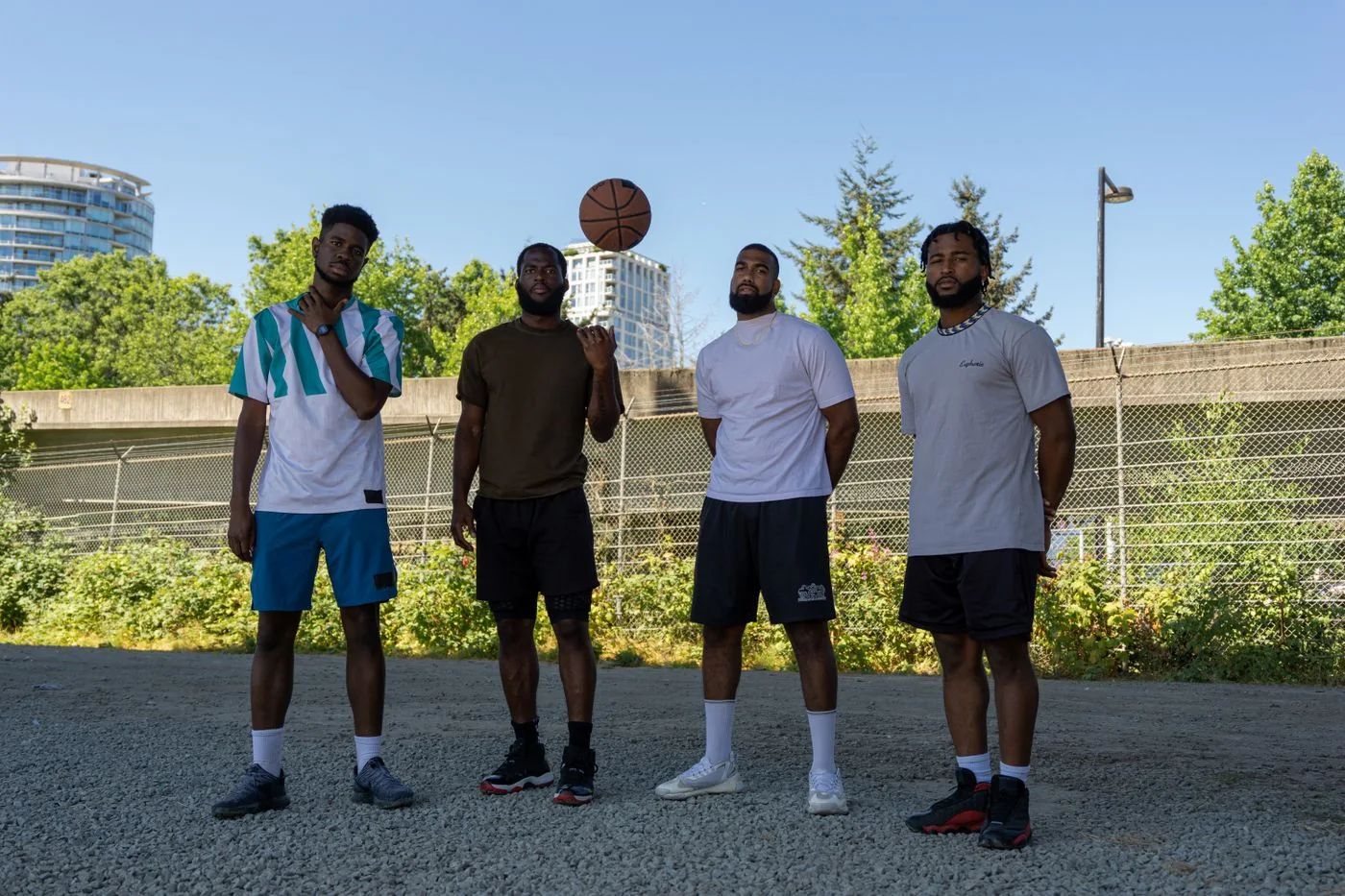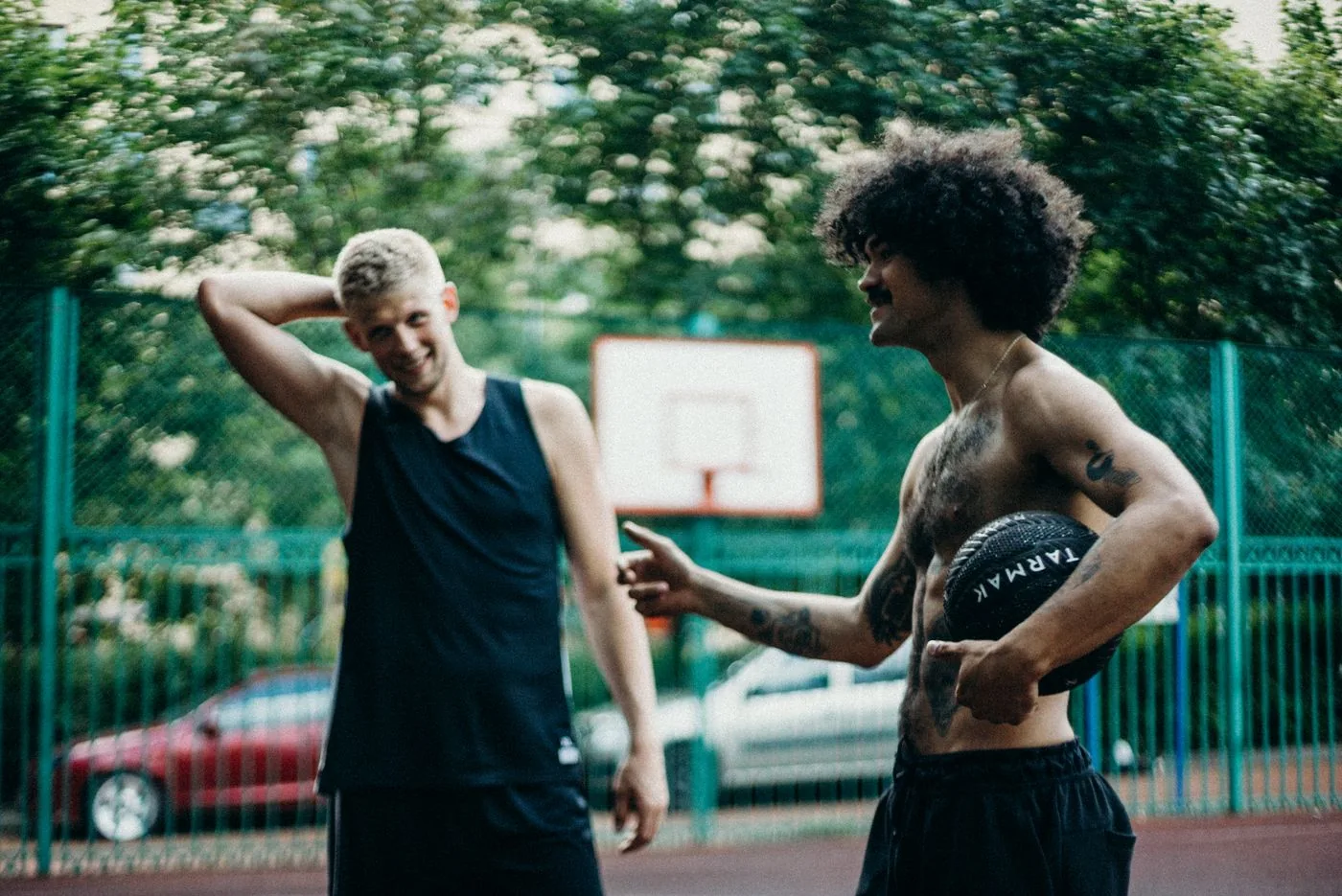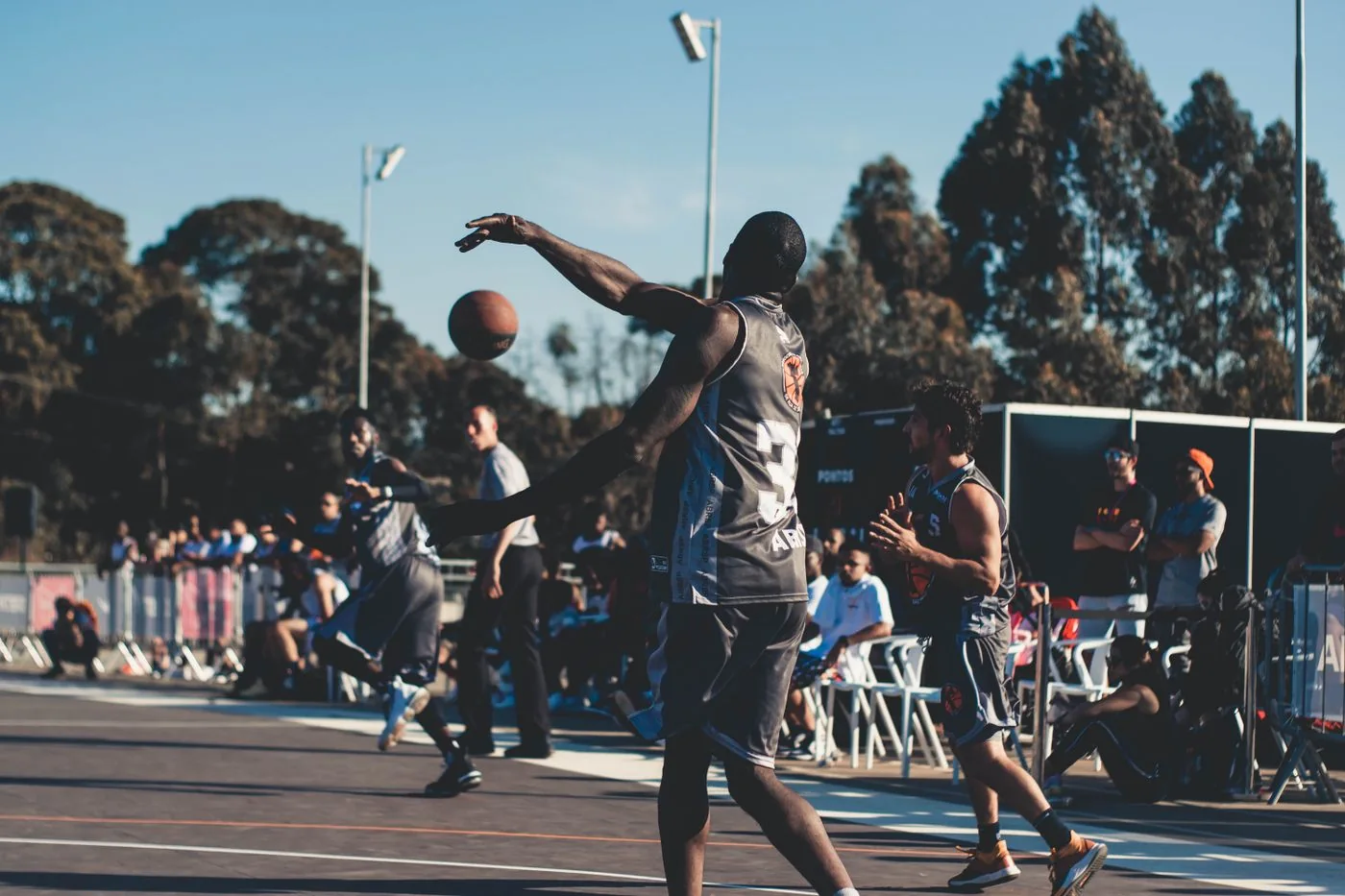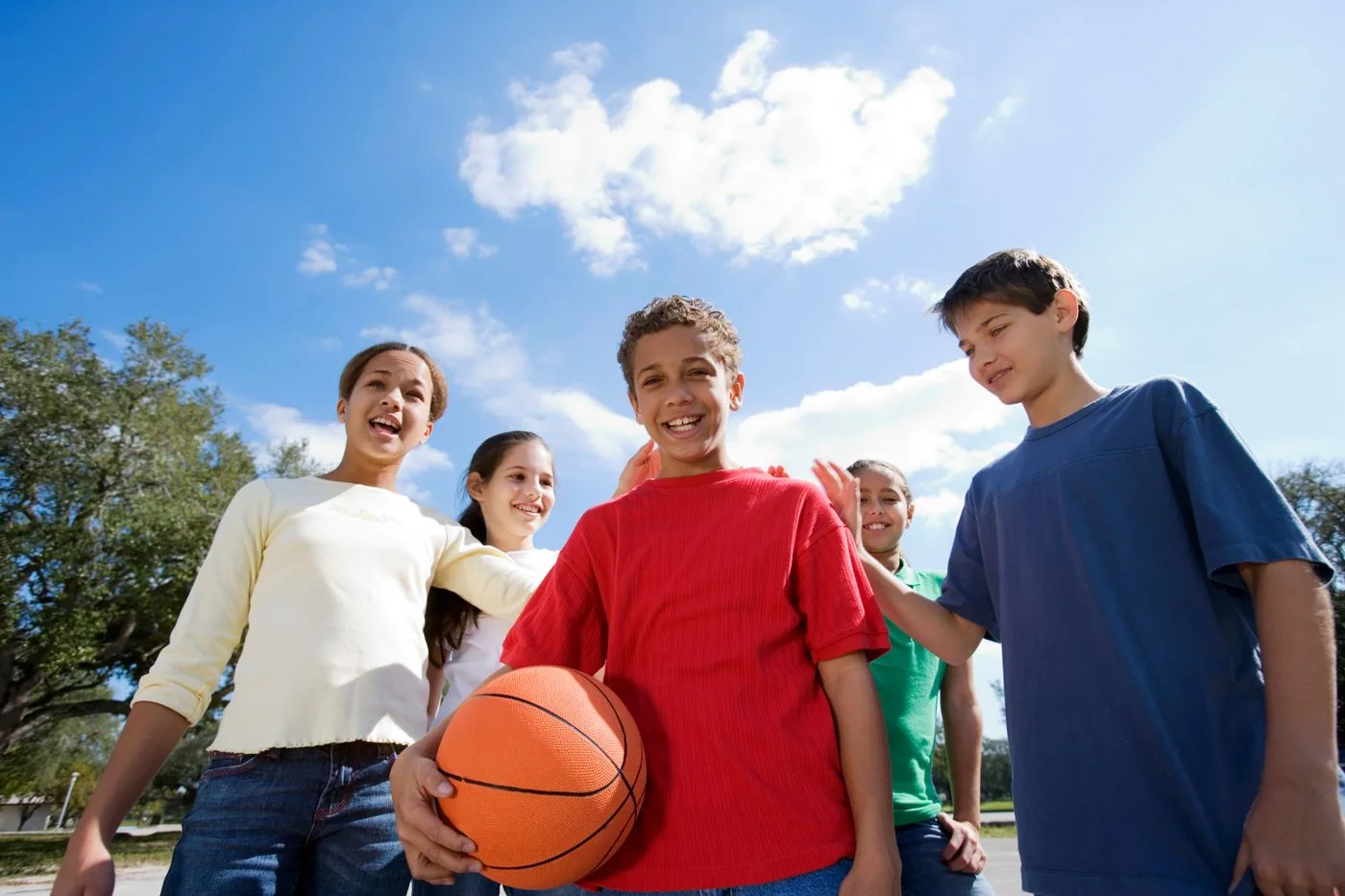
Bringing a friend to basketball involves more than handing them a ball at the court. They may not know the local rules, the pace or whether they are expected to join immediately. A little preparation removes avoidable uncertainty. Describe the session honestly, introduce them to the group and remain available without narrating every mistake. The first visit should give them enough information to decide whether they want to return.
Describe the real session
Tell your friend the location, length, expected pace and whether the group is beginner-friendly or competitive. Explain any venue requirements and what ordinary equipment to bring. Avoid promising that nobody will notice mistakes or that the game will be easy; you cannot control every participant. Ask whether they want to watch first, practice nearby or join a short game. If the planned run is much faster or more physical than they want, find a different session instead of persuading them that they will enjoy it once they arrive.
Give a few useful explanations
Before the first possession, cover how this group checks the ball in, counts the score, handles fouls and rotates waiting players. Explain the boundaries and point out anything unusual about the court. Keep the list short enough to remember. Your friend does not need a full lecture on basketball strategy while everyone is waiting. Show where to stand for the first play and name one simple option, such as passing back to an available teammate if the route toward the basket is crowded.
Make an introduction that preserves dignity
Share your friend's name and say they are new to this run. Ask them before describing their experience or announcing that everyone should take it easy on them. Avoid making them the subject of jokes or a public coaching project. If teams are being arranged, help the organizer understand what level of play the friend is comfortable with. A welcoming teammate can give a short direction during play, while detailed feedback can wait for a break and for the friend's agreement.
Stay connected without controlling every possession
Offer a clear passing option, use their name and let them make decisions. Do not demand the ball back immediately after every catch or shout several instructions while they are trying to dribble. If they miss an assignment, help organize the next play and discuss one useful detail afterward. Make sure they have space to ask questions. You can also check whether they want a break or another game without treating either answer as a verdict on their ability. The pace of a first visit should remain a choice.
Ask about the experience afterward
Find out what felt enjoyable, confusing or uncomfortable before suggesting the next session. Their favorite part might be shooting together rather than the full game. Use that information to choose the next visit, instead of assuming they should follow exactly the same basketball routine you enjoy.
Before bringing a friend, explain the actual pace and rules, ask how they want to join and plan a brief check-in after the first game.
Something unclear? Send a correction or question.