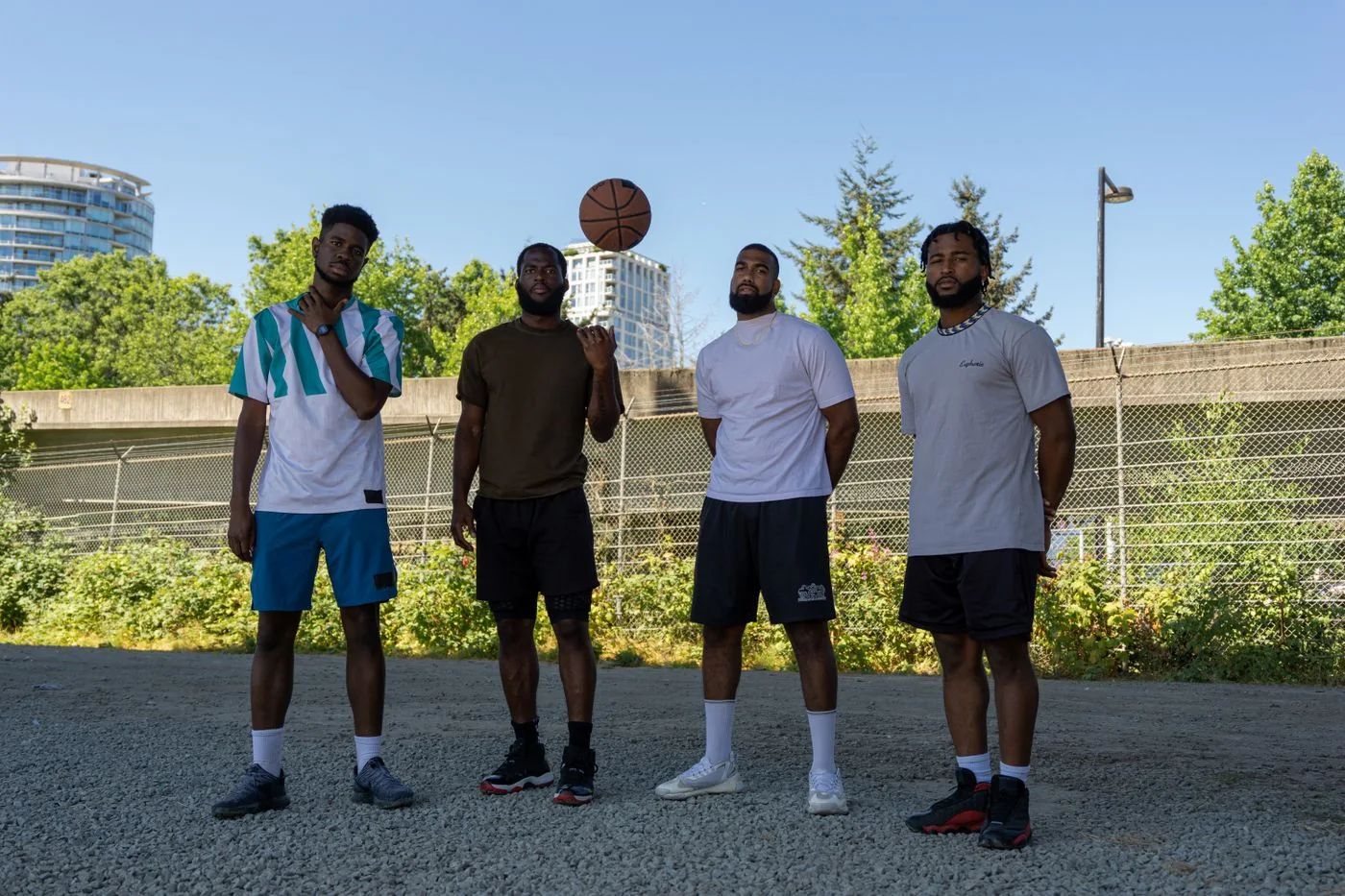
Some pickup groups enjoy light teasing; others prefer quiet competition. You do not have to share every group's appetite for talk. A useful response begins with distinguishing playful comments you are comfortable with from behavior that crosses your boundary. Prepare a short way to state that boundary, then return to a concrete task. If the atmosphere becomes threatening or persistently abusive, leaving the situation is a reasonable choice.
Read the group without surrendering your preference
Notice how regulars speak to one another and whether the people receiving jokes appear comfortable. Familiar teammates may have a rapport that a newcomer does not share. You can stay reserved even if others trade comments. Avoid assuming that silence means someone welcomes escalating insults. If you are the one joking, keep the exchange away from personal identity, appearance or private information and stop when someone asks. Shared enjoyment is a better guide than insisting that everyone should tolerate whatever language the loudest player chooses.
Prepare one plain sentence
A brief response such as 'Let's keep it about the game' or 'I'm here to play; leave that out' is easier to use than a speech improvised while angry. Say it at a stoppage with enough distance to avoid a face-to-face confrontation. You do not need to win the verbal exchange or supply a sharper insult. If a teammate or organizer is available, tell them what happened and ask for the agreed standard to be applied. Keep the account factual so the immediate issue remains clear.
Give your attention a specific next job
After a distracting comment, identify the score, your defensive assignment or the place you need to stand for the next possession. Use a short cue such as 'Find my player' rather than trying to force yourself to feel unaffected. Basketball gives you observable tasks that can anchor the reset. Avoid answering through a reckless foul or a difficult shot taken to make a point. Those choices allow the exchange to change your decisions long after the words themselves have stopped.
Check whether the boundary is being respected
If the comments continue after a clear request, speak to the organizer or choose to sit out or leave. You can tell your team briefly that the run is no longer comfortable for you. Do not treat continued participation as a test of toughness. If behavior becomes threatening, create distance and seek help from facility staff or appropriate local services when needed. Your goal is to handle the actual situation, not satisfy a general rule that every disagreement must be settled on the court.
Choose one boundary sentence before the run, and after a distracting exchange name the next basketball task while checking whether the group respects your request.
Something unclear? Send a correction or question.