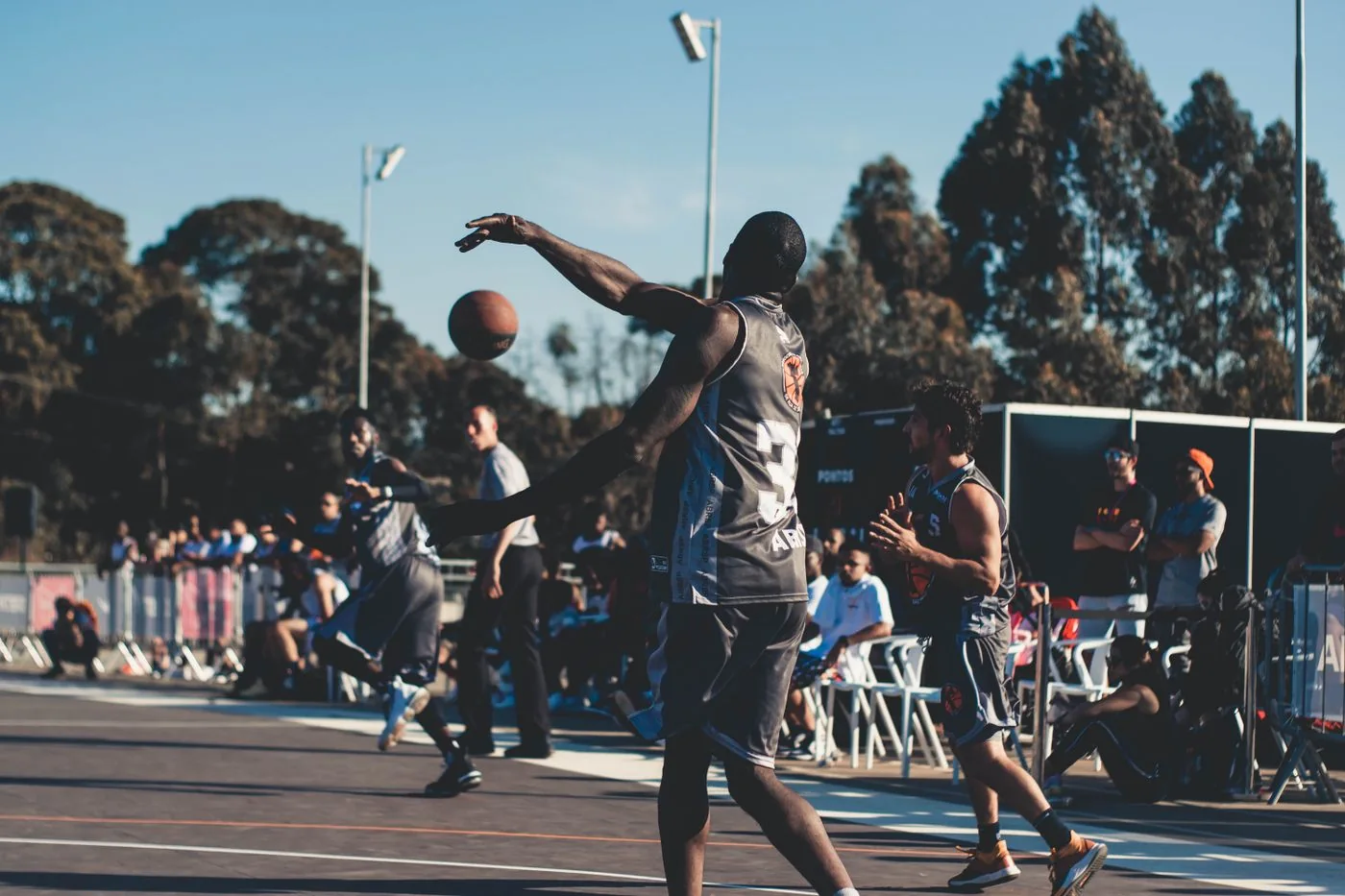
A mixed-ability game can be enjoyable when everyone understands its purpose. Problems arise when some players expect a hard competitive run while others think they have joined a relaxed learning game. Begin with that conversation. Then use team balance, communication and simple shared constraints to create real involvement. The aim is to keep the basketball meaningful without turning less experienced people into spectators or making confident players pretend the game has no challenge.
Describe the session honestly
Say whether the game is social, instructional or competitive and ask whether that suits the people present. Explain the expected level of contact and how calls will work. A new player may be comfortable joining a quick game but uncertain about full-court pressure. Offer a clear alternative, such as a half-court format or shorter games, when the group wants it. Do not promise that everyone will find the same pace easy. Agreement about the session gives later adjustments a shared purpose rather than making them seem like criticism of one person.
Balance support as well as scoring
Place communicative players on both teams and spread the people comfortable handling the ball. An experienced player who calmly points out a passing option can make a teammate's next touch much easier. Avoid assigning all the new players to one side in the name of letting them learn together. During play, use short cues such as a teammate's name or a clear request for a pass. Save detailed instruction for a break, and ask whether the person wants feedback before explaining several corrections.
Use constraints only with agreement
The group might try a practice game in which everyone touches the ball before a shot, or a possession begins with a particular passing action. Explain that these are chosen practice conditions, not standard basketball rules. Keep the condition simple and stop using it if players spend more time counting than making decisions. A required touch should still place someone in a useful situation. Passing to a beginner trapped on the boundary merely to satisfy a condition creates pressure without helping them participate meaningfully.
Keep defense understandable
Confident defenders can offer honest pressure while matching the session's agreed purpose. They should avoid surprising a first-time player with uncontrolled contact or treating every mistake as an invitation to embarrass them. Less experienced players still benefit from seeing where a lane is closed and learning to protect the ball. Start with space to make a decision, then increase the challenge if the group wants it. Talk about the arrangement openly rather than quietly deciding that one person should never be guarded or should always be allowed to score.
Check the experience between games
Ask whether the pace and team mix are working, giving quieter players room to answer. A short change of format can improve the next game. End with people understanding what they contributed and what kind of run they can expect next time.
Agree on the session's purpose first, then choose one simple way to improve involvement and review it with the group after the opening game.
Something unclear? Send a correction or question.