Someone asks what position you play, and you are unsure whether height, dribbling or shooting should decide the answer. The traditional five positions give teams a shared vocabulary. They are a starting point for organizing responsibilities, especially in five-on-five basketball, rather than a permanent limit on what you can learn.
Guards and forwards connect the floor
A point guard commonly starts the offense, brings the ball into useful areas and helps teammates get organized. That does not mean dribbling for the entire possession. A good organizing decision might be an early pass, a change of side or a clear call for a screen.
A shooting guard often works as a scoring threat from the perimeter, catching ready to shoot or attacking a moving defense. The name does not excuse weak passing or defense. Both guards need to recognize pressure and give the other an outlet when the ball is trapped.
A small forward may defend a wing, run the floor, cut, rebound and score from several areas. The role often demands flexibility because the opponent's wing could be a quick ball handler or a bigger player seeking position near the basket.
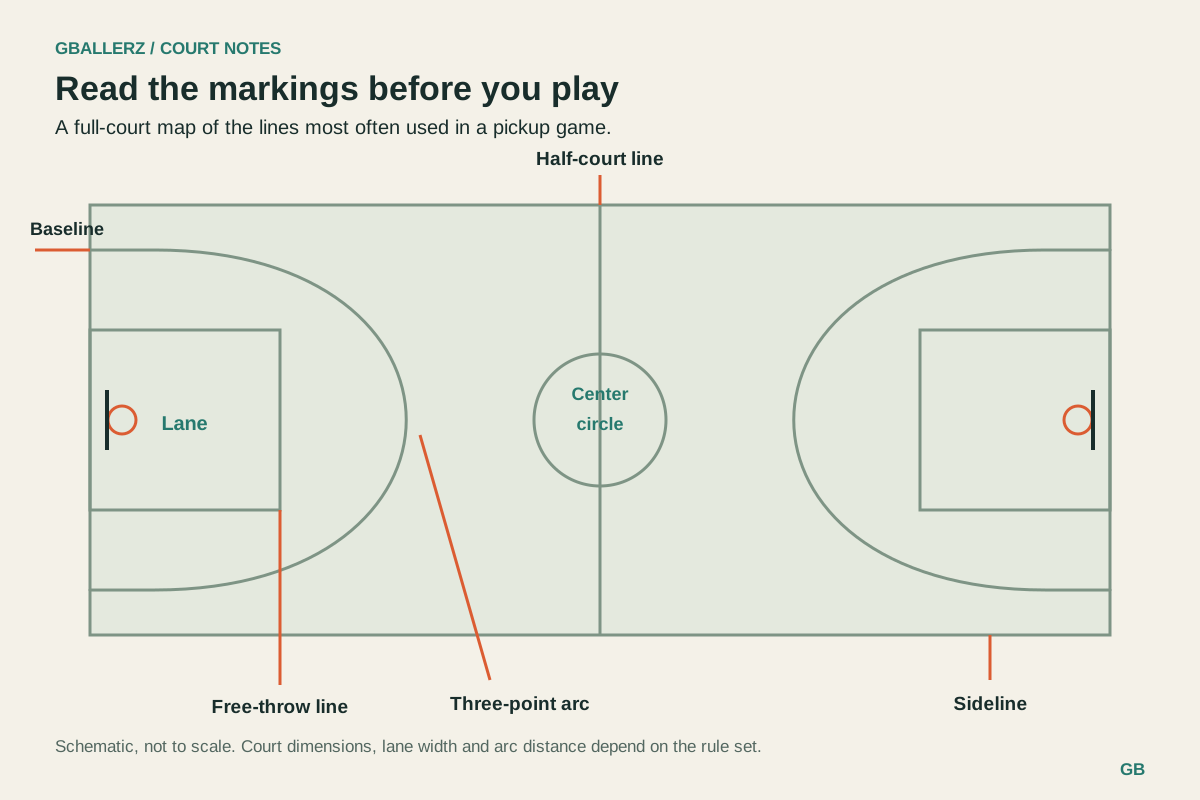
A power forward traditionally plays closer to the lane, screens and rebounds. Many teams also ask that player to shoot from outside or make decisions after a short catch. Think of the title as a description of the lineup's needs, not proof that the player should always stand beside the rim.
The center does more than wait inside
A center often protects the basket, rebounds and gives the offense a strong interior presence. Setting a well-timed screen, catching an outlet and passing out of pressure can matter as much as scoring over someone.
If you are the tallest player in a pickup game, teammates may expect you to handle those tasks. You can accept the immediate responsibility while still practicing ball handling and outside passing. Height gives the group an option; it does not remove your need for a complete skill base.
Assign jobs before assigning labels
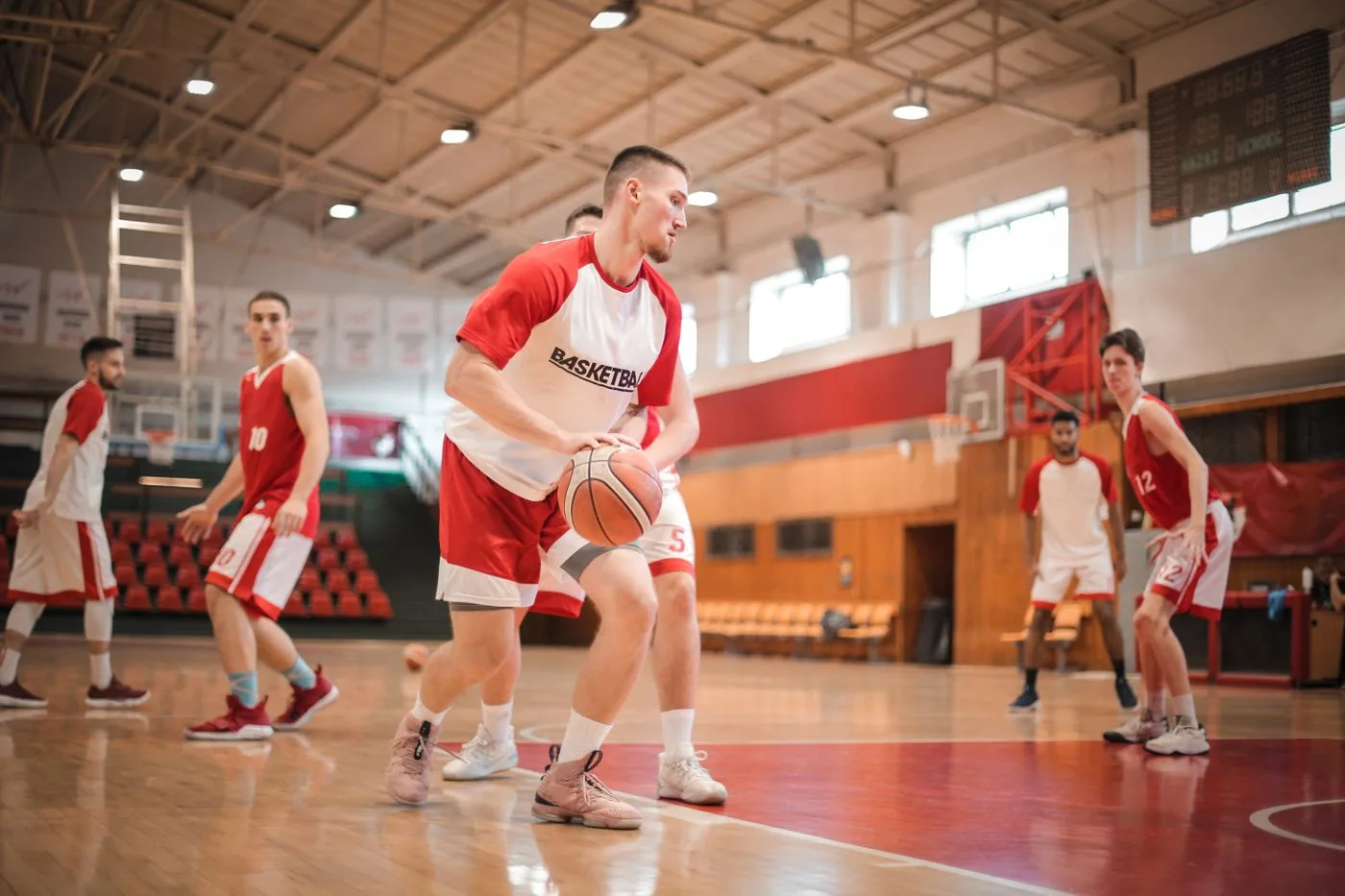
For a casual five-on-five game, settle three questions first: who brings the ball up under pressure, who matches the opponent's main ball handler, and who protects the rim when the defense gets beaten? Those answers may involve different people.
The best rebounder may start the break with a pass to a forward who advances the ball. A guard may finish inside because a switch left them near the basket. Useful basketball allows those changes without an argument over whose position owns a particular part of the floor.
Build a second role
Choose one responsibility outside your usual comfort zone. If you normally handle the ball, learn to space and cut after giving it up. If you screen, practice catching and making the next pass without holding the ball.
Ask a teammate for a specific task instead of asking whether you look like a certain position. A request such as covering the weak-side rebound gives you something observable. Over time, the ability to complete several jobs makes it easier to fit into different groups and different lineups.
Know the traditional positions, but judge your contribution by the responsibilities a particular lineup needs you to complete.
Something unclear? Send a correction or question.