Beginning basketball does not require buying everything in a training video. Your first kit should make regular sessions practical at the court you can access. Start with what you already own and what the venue supplies, then use a short priority list to avoid spending the budget on accessories while the basic setup remains uncomfortable.
Identify the session and prioritize shoe fit
Decide whether you will mostly join an indoor run, practice outdoors or attend an organized program. Check any uniform and equipment requirements. Ask whether balls are supplied so you do not buy one unnecessarily before learning the size the group uses.
Include the practical cost of getting to the court or booking it if that applies. A smaller equipment purchase that leaves room for regular access can be more useful than a premium kit that is difficult to use. Budget for the real routine rather than a single photograph of the finished gear.
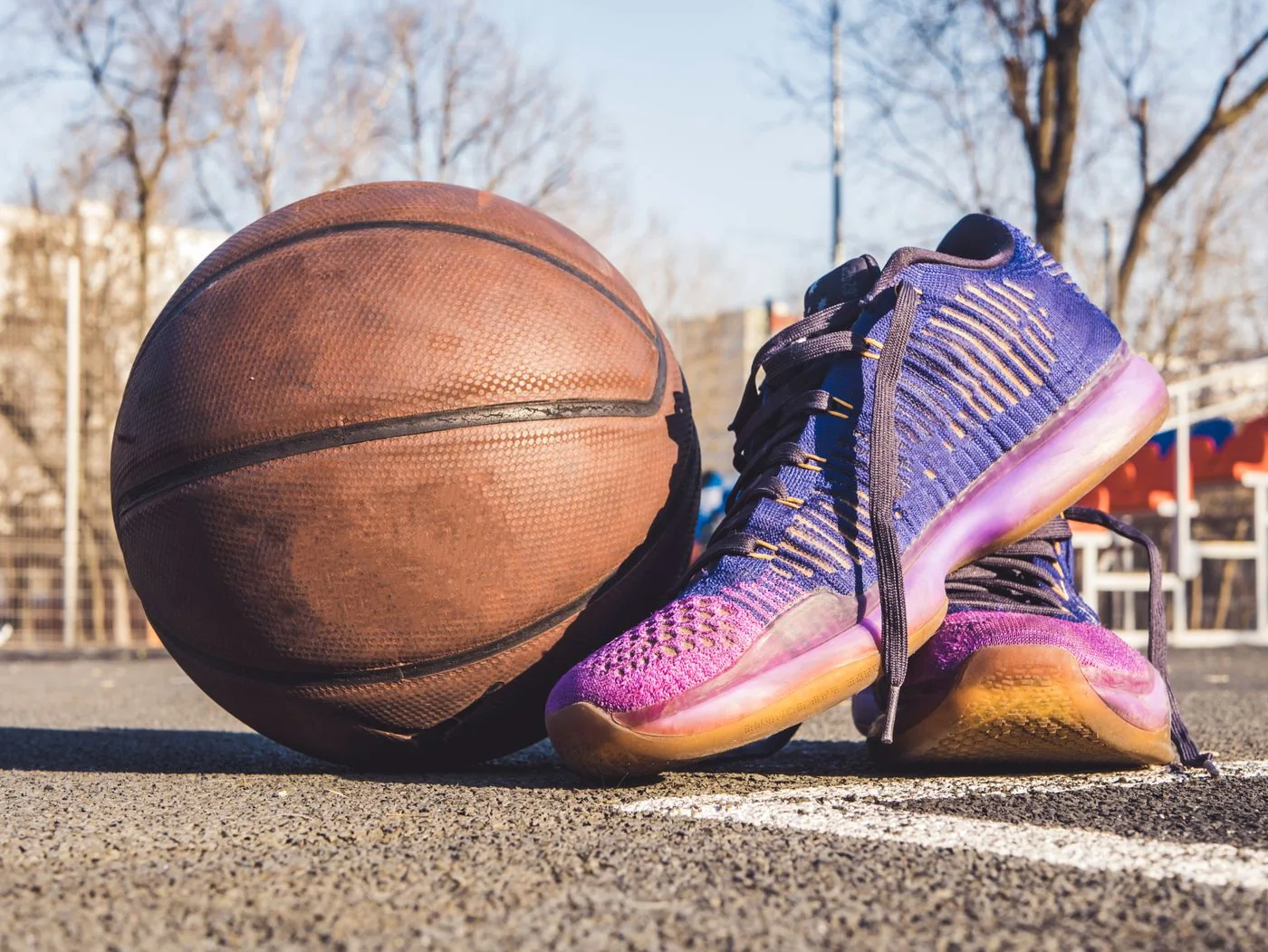
If you need basketball shoes, compare fit and the intended surface before color or the athlete's name. Try both shoes with your normal socks and use controlled movement in the permitted fitting area. A discounted pair is valuable only if it actually works for your feet and court.
Check returns before buying, especially online. Used shoes require careful assessment of wear, foot hold and sole attachment; photographs may hide relevant condition. If a purchase leaves you uncertain about the pair, a modest new model you can inspect and return may be easier to evaluate.
Buy the correct ball only when needed
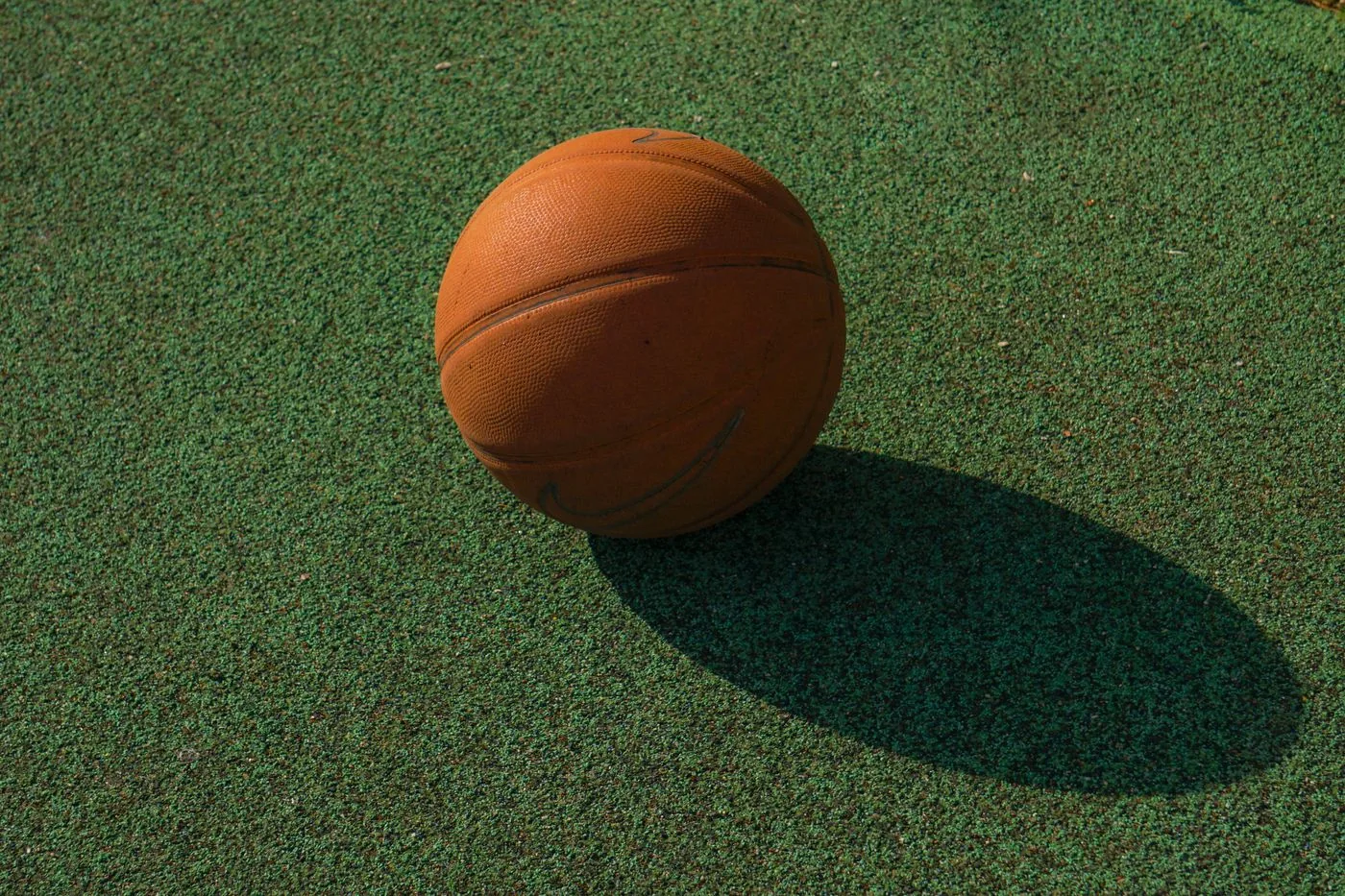
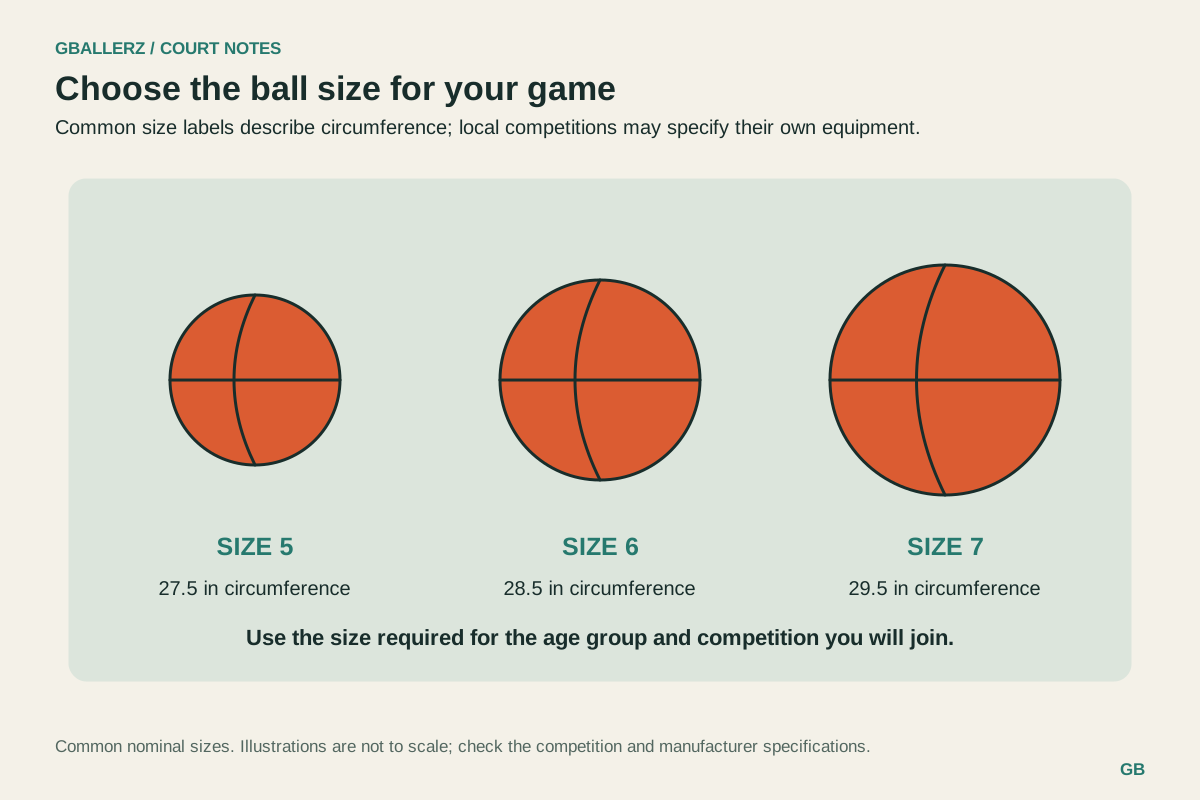
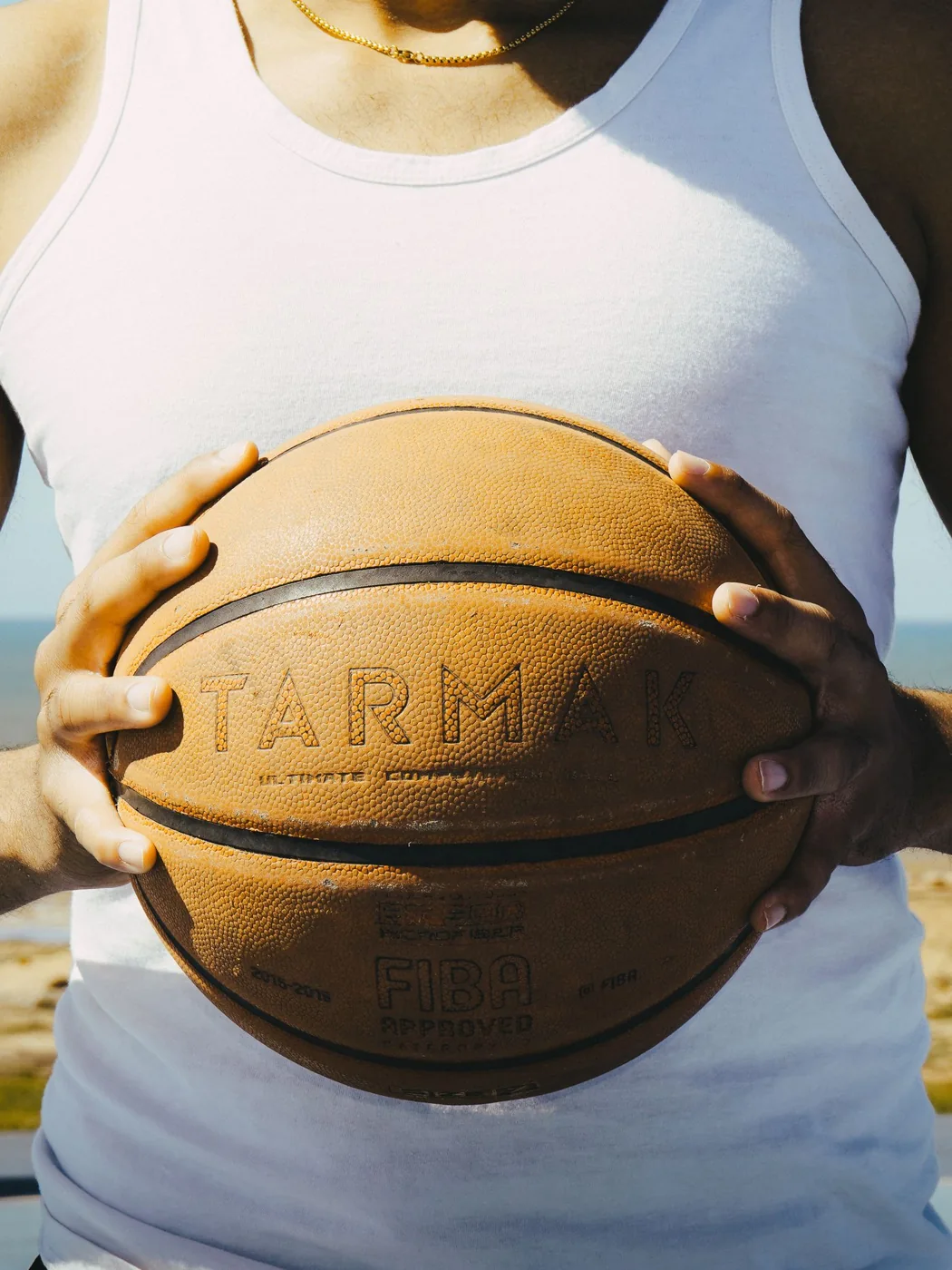
Choose the size required by your game and a cover intended for your surface. A straightforward outdoor ball can suit pavement better than a more expensive indoor model. If you are learning with a friend, sharing one appropriate ball may cover the first sessions.
Find out whether you can borrow a suitable pump and gauge from the group before adding your own. Do not assume a ball needs replacement simply because it arrived underinflated. Check its condition and follow the manufacturer's printed pressure guidance before deciding it is unsuitable.
Use ordinary items where they work
Comfortable sports clothing that allows movement may already be in your wardrobe. A clean towel and reusable bottle do not need basketball branding. Court lines can mark a simple drill without a full set of cones, and a paper notebook can record practice results.
Avoid unsafe substitutes for equipment. A hard bottle is not a sensible dribbling obstacle, and a bag beside the rim is not a target marker. Saving money should simplify the session, not place objects in landing areas or create a setup the court does not permit.
Leave accessories for a proven need
After several sessions, note what you repeatedly miss. Perhaps a spare pair of socks, a compact pump or a separate bag compartment would solve a real inconvenience. Buy the item that addresses the pattern rather than collecting gear in anticipation of every possible drill.
Keep a small allowance for replacing worn essentials and caring for what you own. Take shoes and damp clothing out of the bag, store the ball appropriately and inspect visible wear. A focused first kit is complete when it supports your routine, even if it looks much smaller than someone else's collection.
Match purchases to the session, solve fit and ball requirements first and let repeated practical needs determine the extras.
Something unclear? Send a correction or question.