A premium-looking basketball is not automatically the best purchase for a rough public court. The cover is part of the choice, alongside the manufacturer's intended surface and your preferred feel. Understand the main material labels before paying for a ball whose strongest qualities may disappear quickly in the setting where you actually play.
Rubber for regular outdoor use
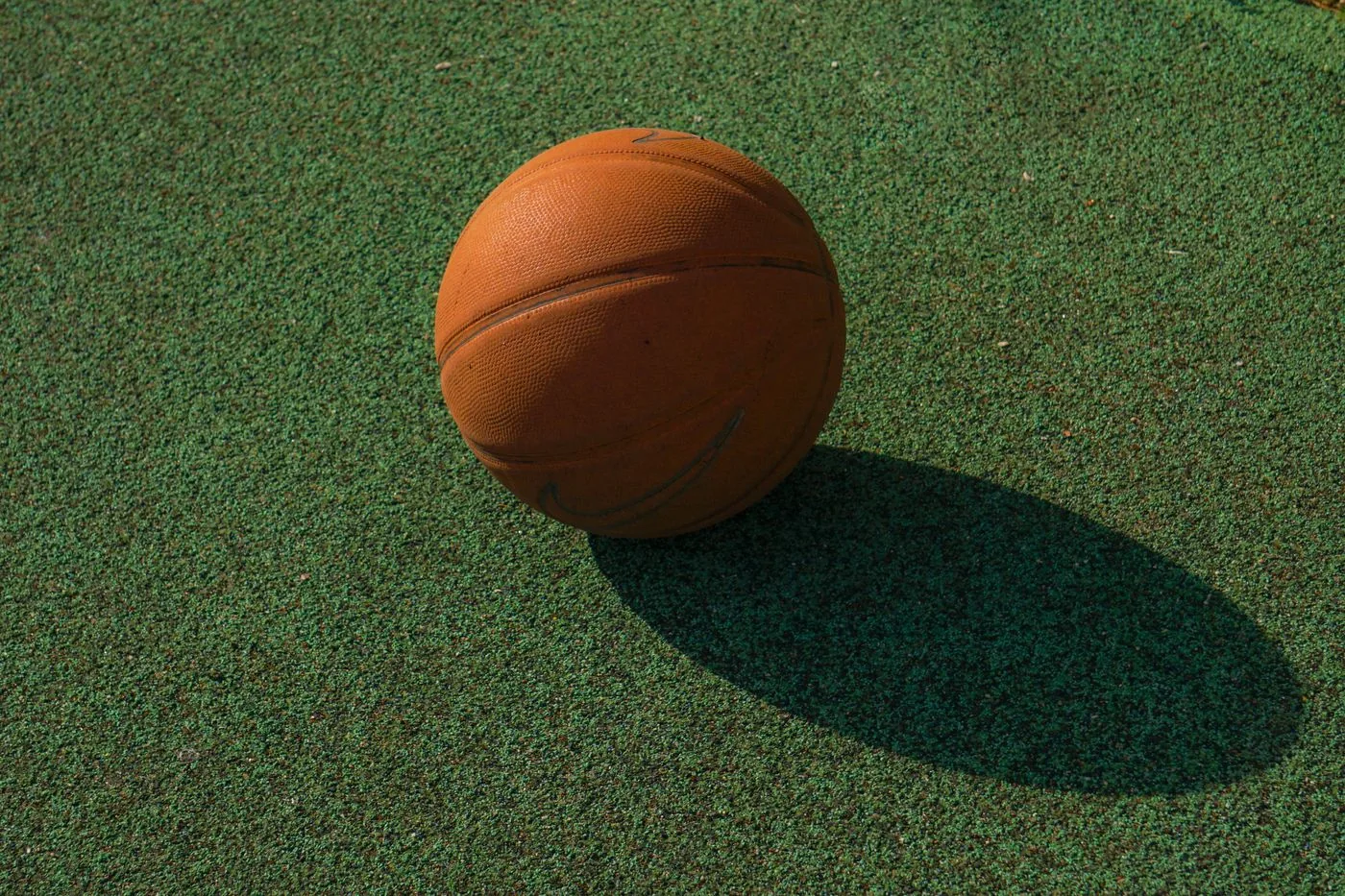
Rubber-covered basketballs are commonly designed for outdoor play and are often the least expensive option. Their practical appeal is straightforward: they can be a sensible match for an abrasive court without requiring the budget of a premium indoor ball.
Feel still varies by model. Check the size, channel shape and grip with clean hands if the shop permits it. A very inexpensive ball that is difficult to control is not automatically a better value than a slightly dearer outdoor model you enjoy using consistently.
Composite is a broad category
Composite or synthetic covers can offer a softer feel, and products may be rated for indoor use or for both indoor and outdoor courts. The word 'composite' alone does not prove that a particular ball belongs on asphalt. Read the actual model's surface designation.
For a player splitting time between a gym and a public court, an indoor-outdoor model can be convenient. Someone who plays mostly inside may prefer a dedicated indoor ball and a separate outdoor one. Decide based on the real schedule rather than an imagined future in which every session takes place in a pristine gym.
Leather has a particular use case
Genuine leather game balls are associated with indoor play and may require a break-in period; Wilson explicitly describes that need for its official NBA leather ball. A new example can feel different from the softened ball a player recognizes from competition.
Do not buy leather expecting it to make an outdoor session feel professional. Its intended environment matters. If you are comparing one in a store, remember that the first touch may not represent its later feel, and ask about the exact model rather than treating every brown cover as genuine leather.
Compare like with like
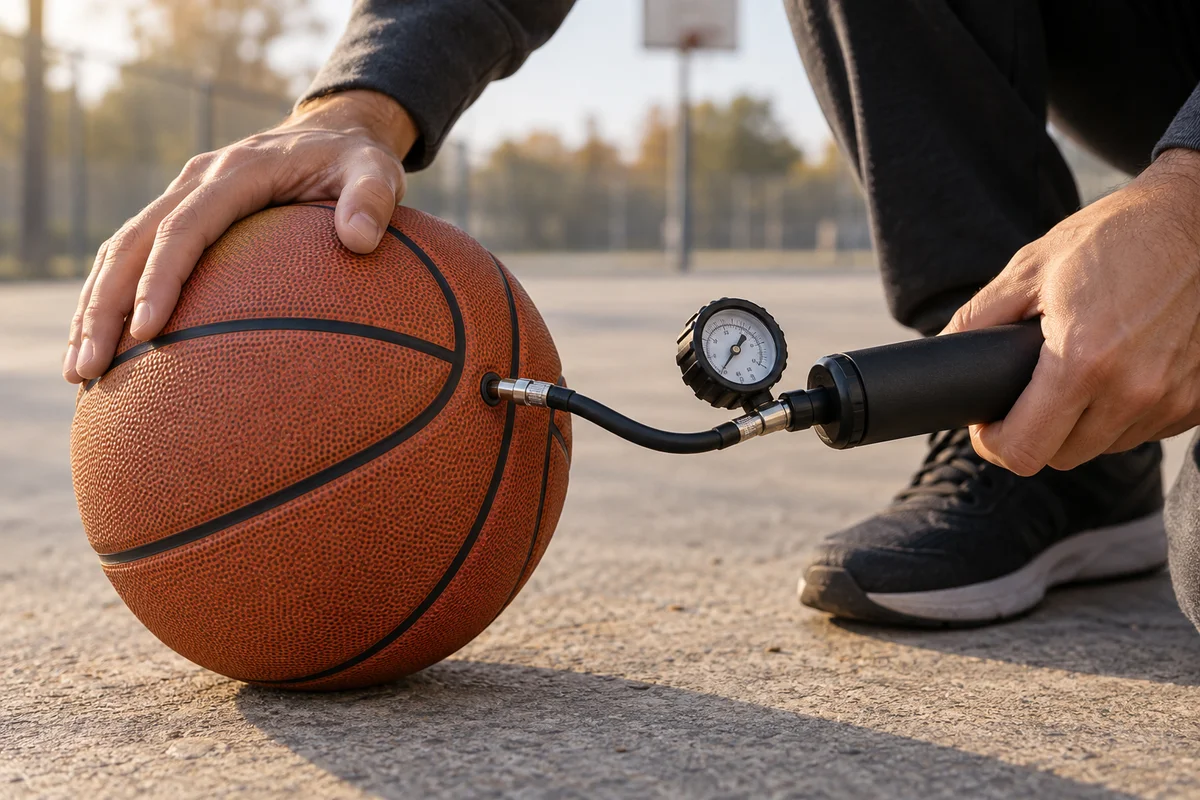
Hold balls of the same size when judging grip. Check that pressure is comparable within each product's stated range; a soft ball can feel deceptively easy to squeeze. If testing is allowed, use the same clean surface and a few controlled catches and dribbles.
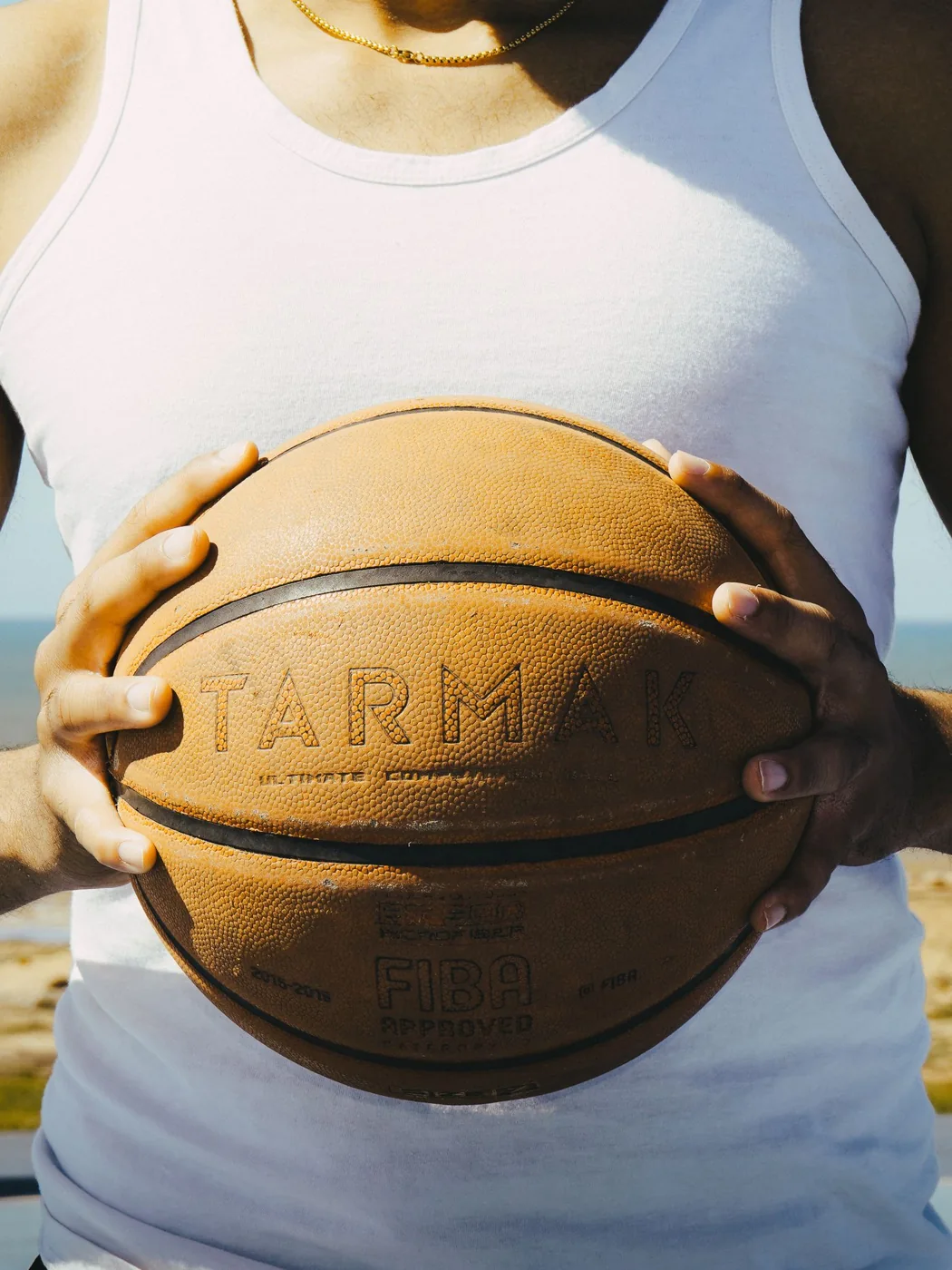
Consider the channels as well as the panels. Some players like deeper channels for locating their fingers, while others prefer a different feel. There is no reason to select the most dramatic texture if it feels awkward for your normal passing and shooting tasks.
Choose the ball you can look after
A cover suited to the surface reduces avoidable wear, but it does not make a ball immune to sharp objects, prolonged exposure or neglect. Plan where it will be stored and keep it away from the court edge when it is not in use.
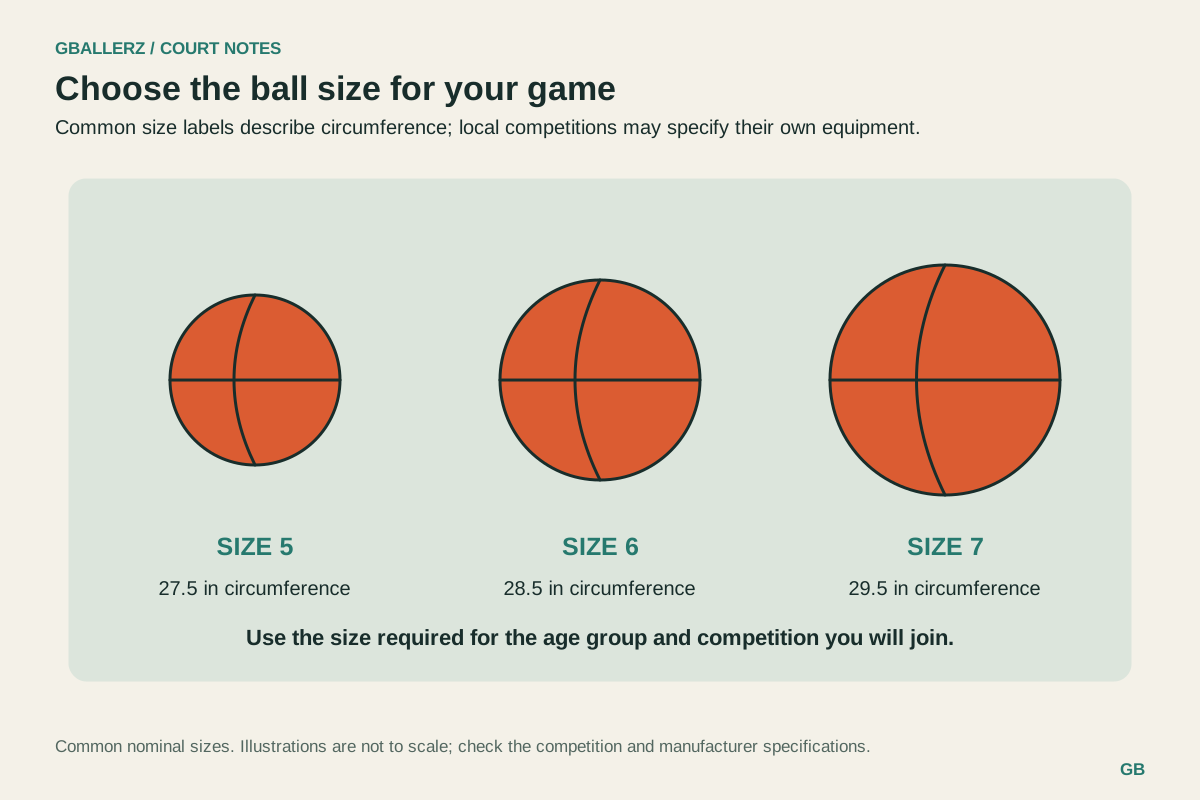
If buying only one ball, put size and surface compatibility first, then compare feel within your budget. If buying two, give each a clear purpose. An indoor ball used indoors and an outdoor ball used outdoors is easier to manage than trying to justify one costly purchase for every possible setting.
Use material as a clue, verify the exact surface rating and compare feel only after size and intended use match.
Further reference
Something unclear? Send a correction or question.