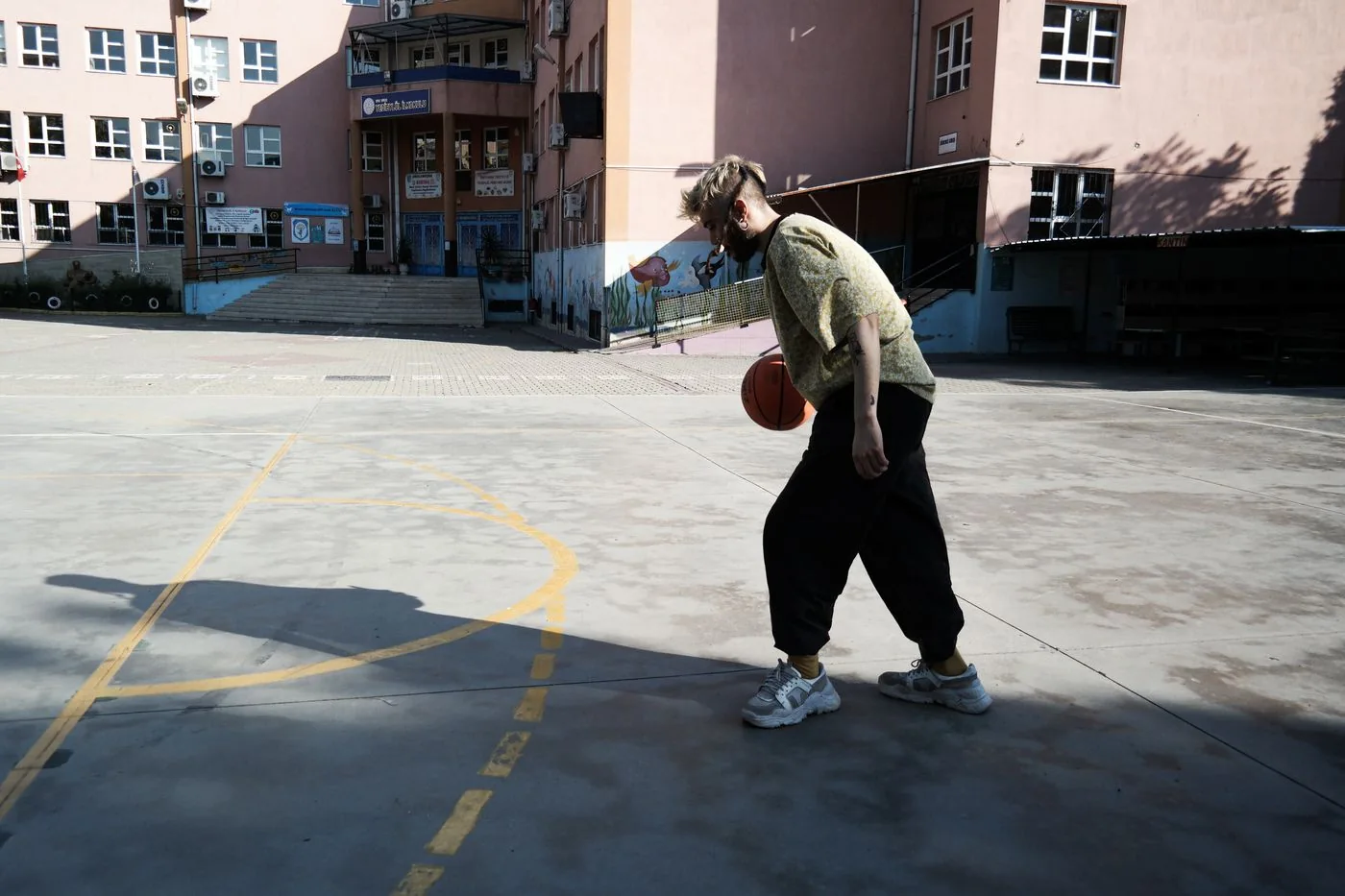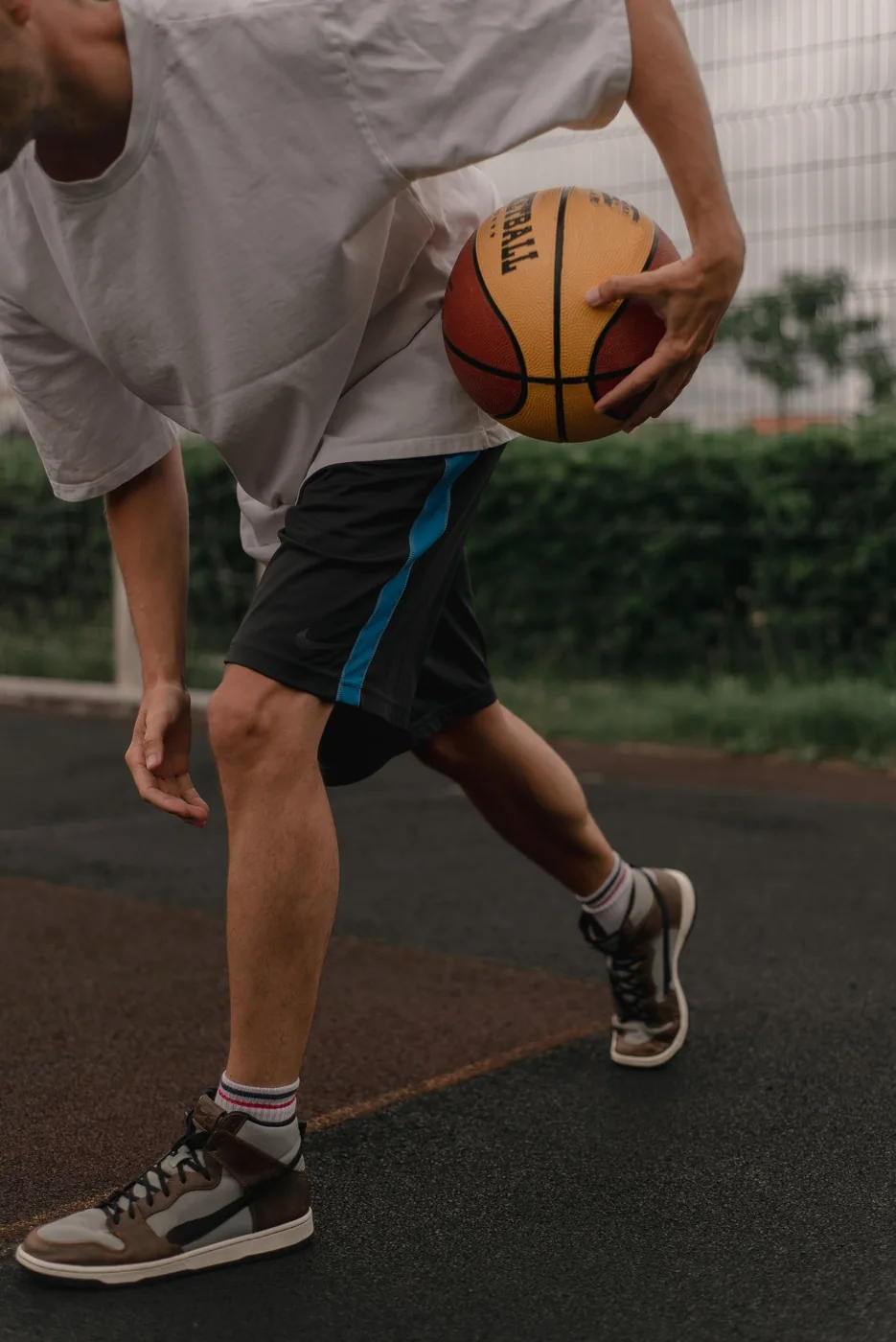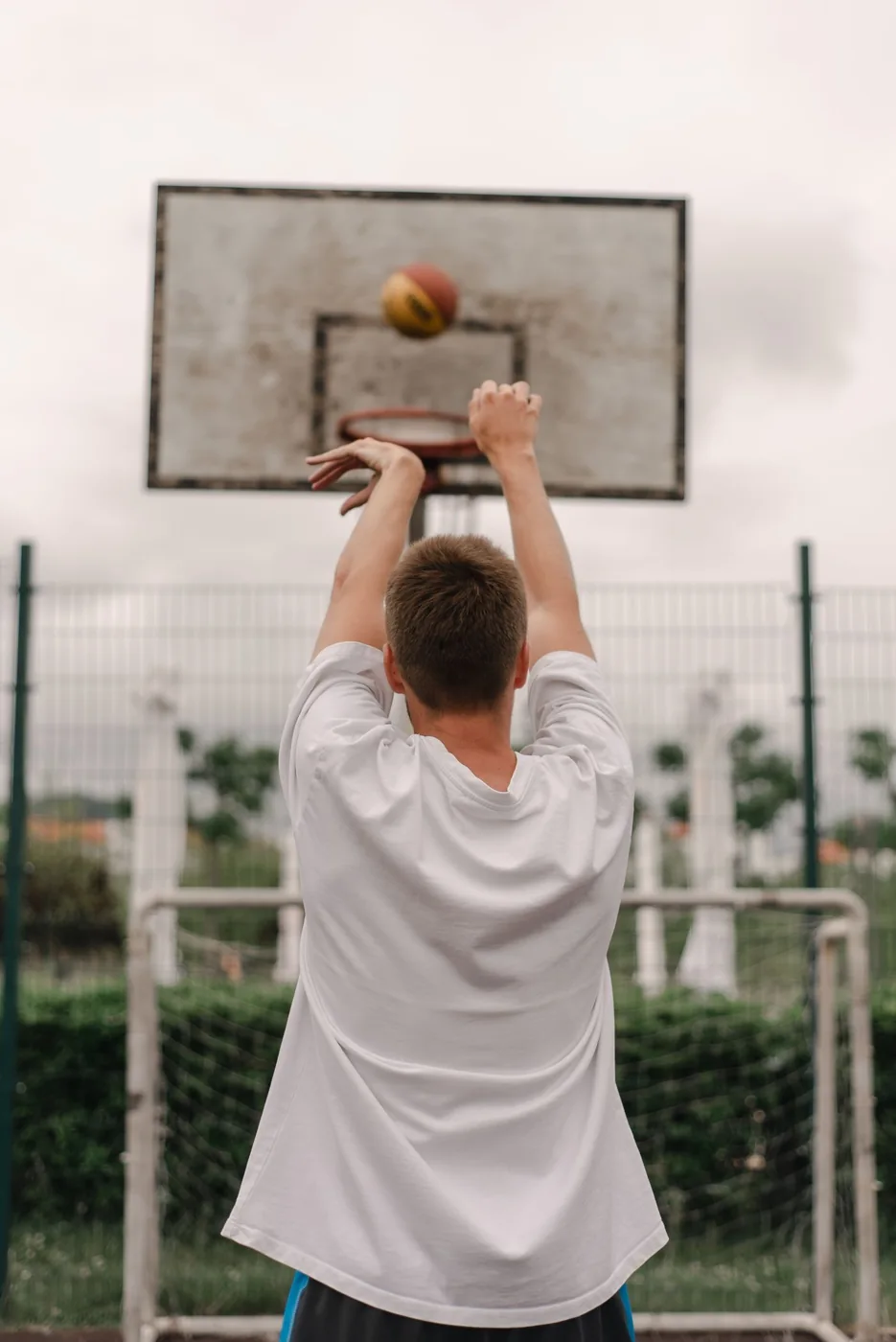
A free throw removes most of the movement around a normal shot, which makes preparation easier to repeat and easier to overthink. Your routine should help you establish balance, locate the target and begin a familiar shooting rhythm. It does not need to be elaborate or copied from a professional. Choose a few actions you can perform comfortably every time, including after a missed attempt or a noisy interruption.
Keep the preparation compact
Start with a comfortable foot position behind the line and a consistent place to look on the rim. Add a simple action such as one or two dribbles, then gather the ball and shoot. The exact dribble count matters less than whether you repeat it naturally. Avoid building a routine with so many checks that you struggle to remember them. Write your version in a single sentence: feet set, two calm bounces, eyes on the target, shoot. Use that sentence to describe the process rather than as a chant during the release.
Find a rhythm you can repeat
Practice the movement from gather to release at an unhurried pace. Notice whether you hold the ball for a long pause after your legs have already begun to straighten. If the shot feels disconnected, return to a shorter distance for several attempts and find a smooth sequence, then come back to the line. Do not force a particular arc or copy a distinctive professional stance just because it looks recognizable. Your practical question is whether your preparation leads into a balanced, controllable shot again and again.
Count the routine separately from the result
Shoot ten attempts in two groups of five. For each one, mark whether you completed your chosen preparation and whether the ball went in. The separate marks matter: a rushed make can hide a process mistake, while a well-prepared miss can still provide useful practice. After the group, identify the most common miss direction without changing several things at once. If the preparation varies, fix that first. A consistent start makes later observations about aim or force much easier to interpret.
Practice restarting after disruption
Have a partner return the ball with slightly different timing, or walk to another court line between pairs of attempts. Re-establish your routine each time. The point is to avoid depending on a rapid series of identical rebounds that rarely happens in a game. You can also shoot a pair after a short, comfortable movement drill. Keep enough control to use the full routine. Do not turn fatigue into the main challenge; the skill here is returning your attention to the same preparation after the circumstances change.
Write a one-sentence routine, track ten attempts for both preparation and outcome, and keep the routine unchanged through the entire set before reviewing it.
Something unclear? Send a correction or question.