An open shot is not automatically a good shot for every player. A comfortable short jumper might be a strong choice for you, while a wide-open attempt several steps beyond your practiced range may end the possession unnecessarily. Shot selection becomes clearer when you assess a few observable details instead of relying only on confidence.
Know your usable range
Practice tells you more than a memorable make in a game. Notice where you can repeat the same controlled motion without heaving, leaning or sacrificing your view of the basket. That area is a more useful starting range than the farthest shot you have ever made.
Your range can differ by situation. A set catch with ready feet is different from a pull-up while moving sideways. Track those separately in practice so you do not treat success in one task as proof that every shot from the same distance is equally comfortable.
Check balance and the contest
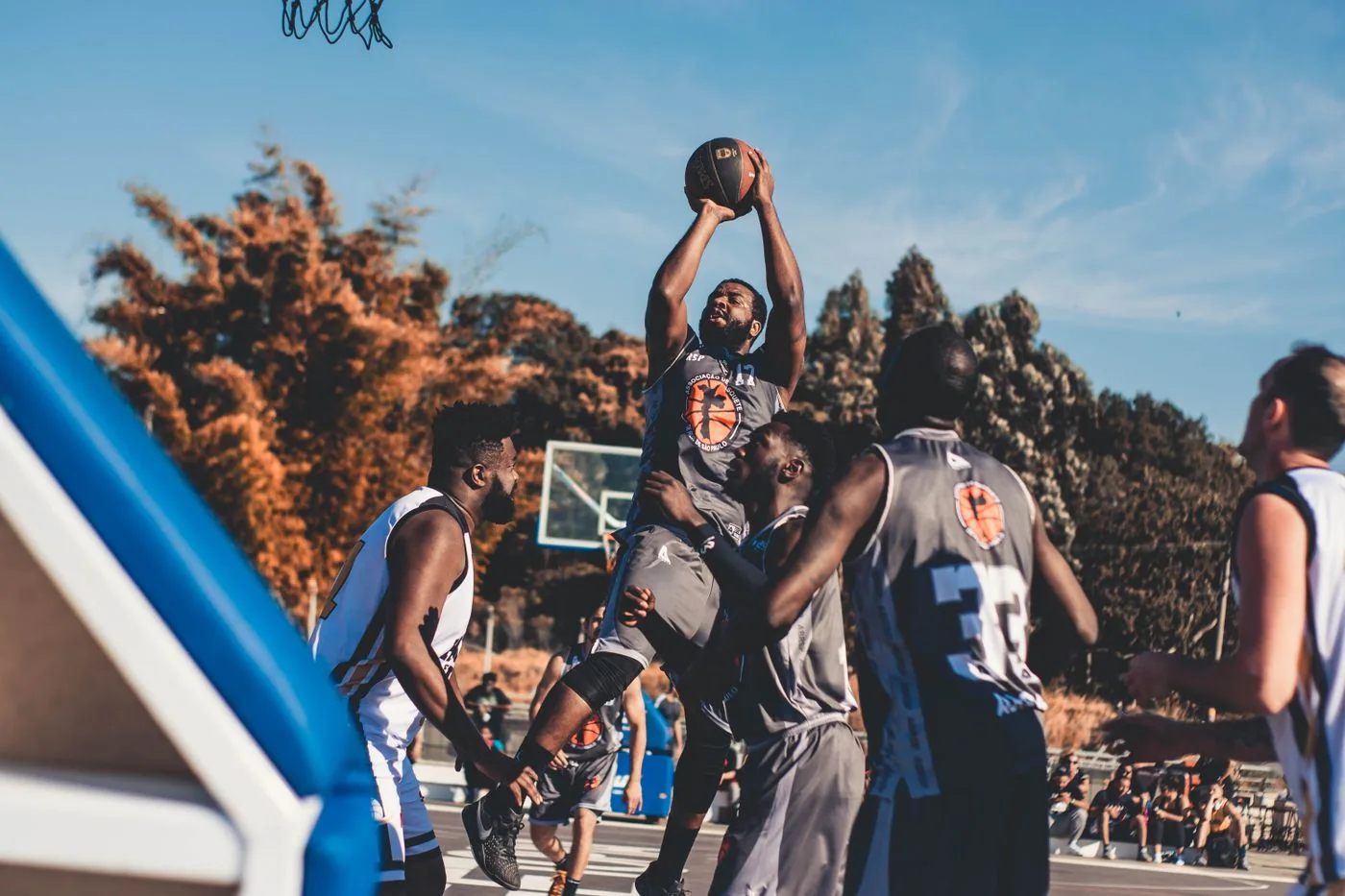
Before the release, consider whether your body is under control and whether the defender can affect the attempt. An open catch may become a difficult shot if you rush your feet. A defender running at you may create a better passing or driving opportunity than the initial jumper.
Avoid deciding that every contested shot is selfish. Sometimes a capable shooter has a workable attempt within the team's plan. The question is whether the contest changes the shot beyond what you can execute reliably, and whether a clearly better option is available.
Understand the possession's needs
Early in a possession, a difficult attempt deserves more scrutiny because there may be time to create something easier. Near the end of a real shot clock, the available choices change. In pickup without a clock, do not invent urgency just because you have held the ball for several seconds.
The score also matters. A team needing one basket to win should know whether a risky long attempt is necessary. Share the score clearly so teammates can make decisions with the same information rather than discovering the situation after the shot.
See the option after the pass
Passing on your own open shot is not always the generous choice. If it sends the ball to a teammate with less space and no advantage, the possession may get worse. Be ready to take a shot you have earned and practiced.
When your attempt is weak, look for a pass that improves the next player's position. Moving the ball to the other side can force defenders to shift. A short pass to a rolling teammate can turn a contested jumper into a close finish. Choose the next action for its likely result, not for how unselfish it appears.
Review decisions without blaming the miss
After a run, remember three attempts: one you would take again, one you would change and one that depended on the game situation. Describe the range, balance, contest and passing options for each. Do not label every make good and every miss bad.
Ask a teammate about a specific possession if you are unsure. A useful answer identifies the open player or timing you missed. Over several sessions, aim to improve the decisions that repeat most often rather than eliminating every difficult shot from your game.
Choose attempts you can execute under the actual pressure, while keeping the score, timing and better options in view.
Something unclear? Send a correction or question.