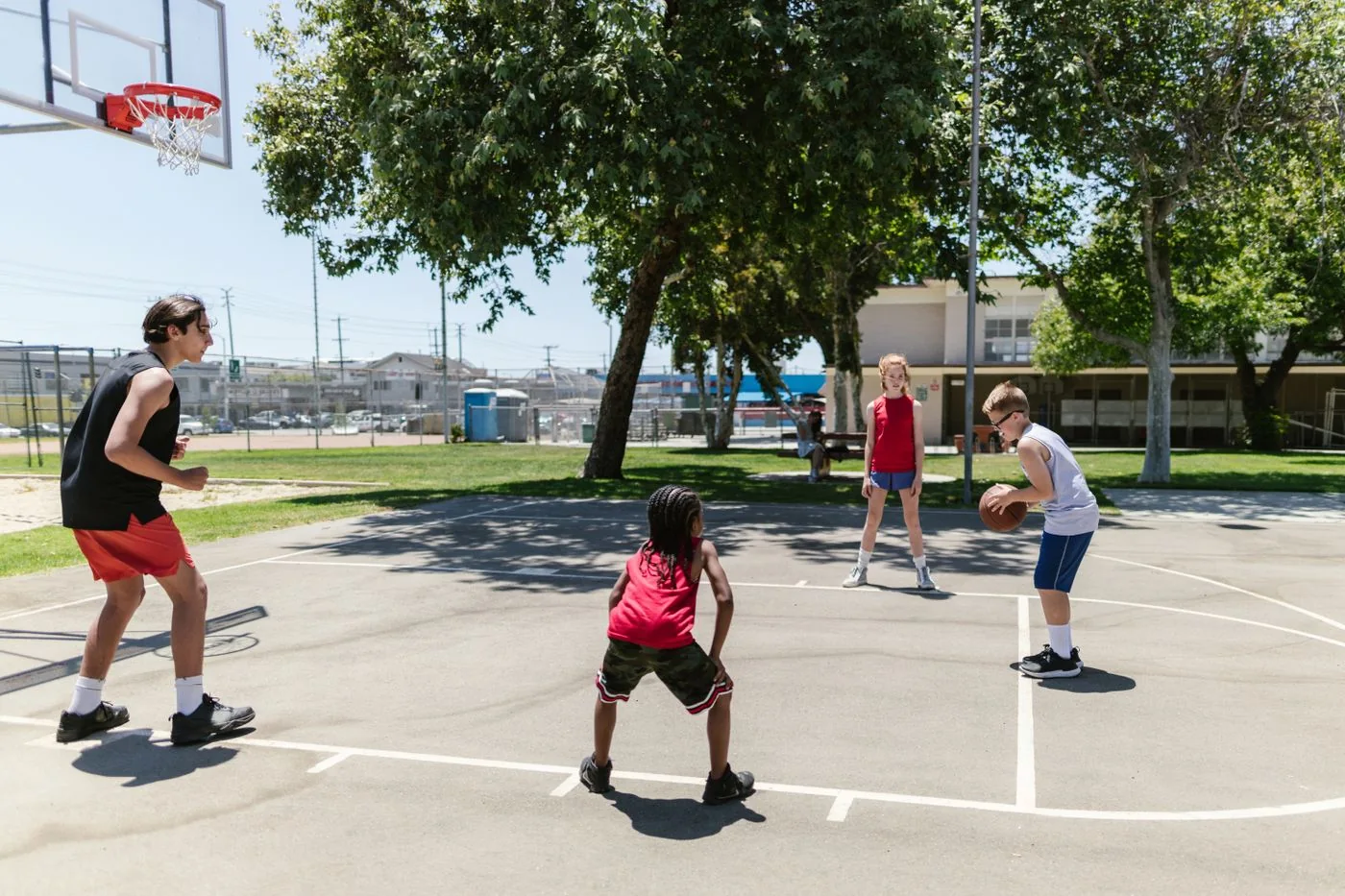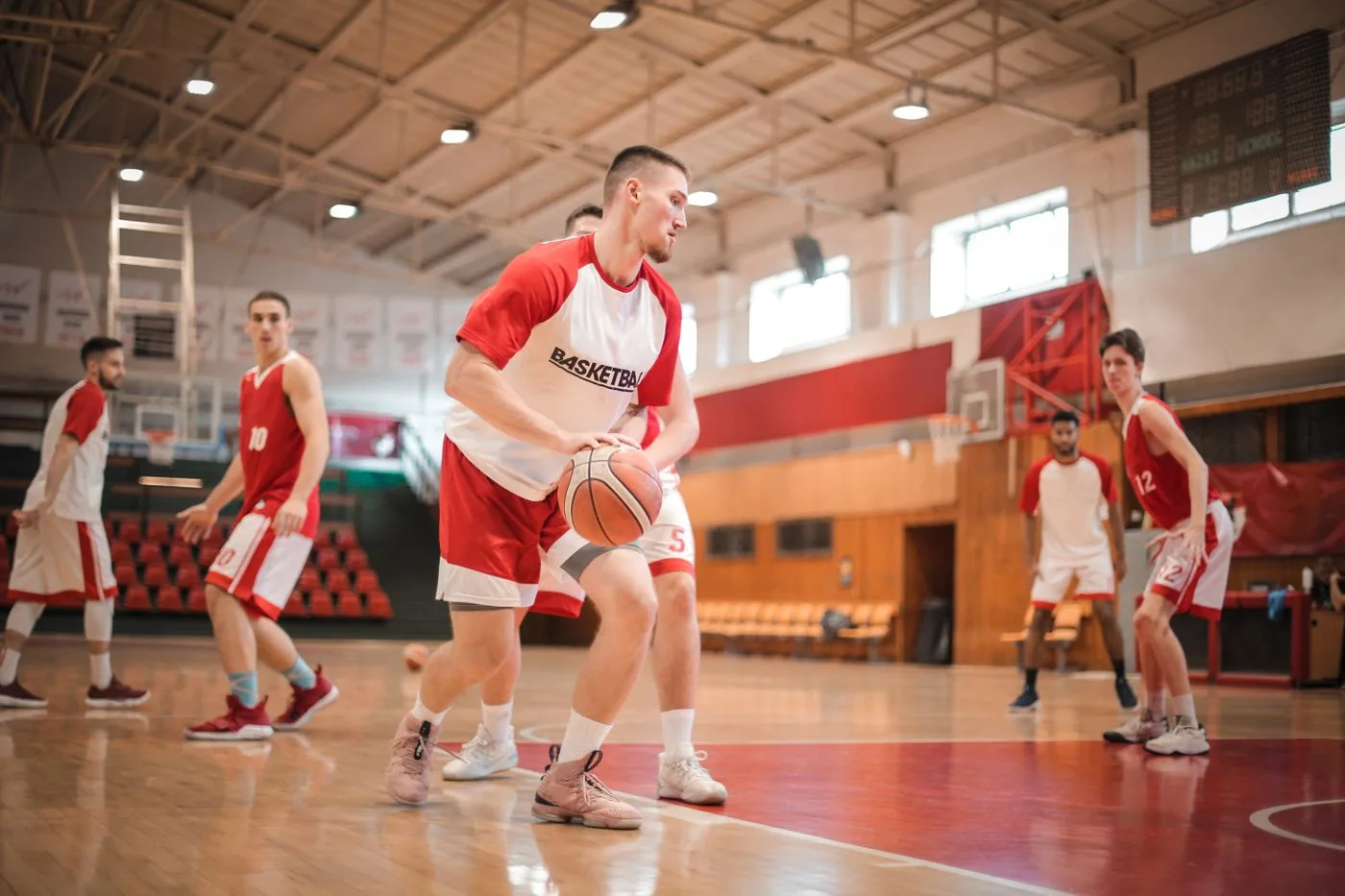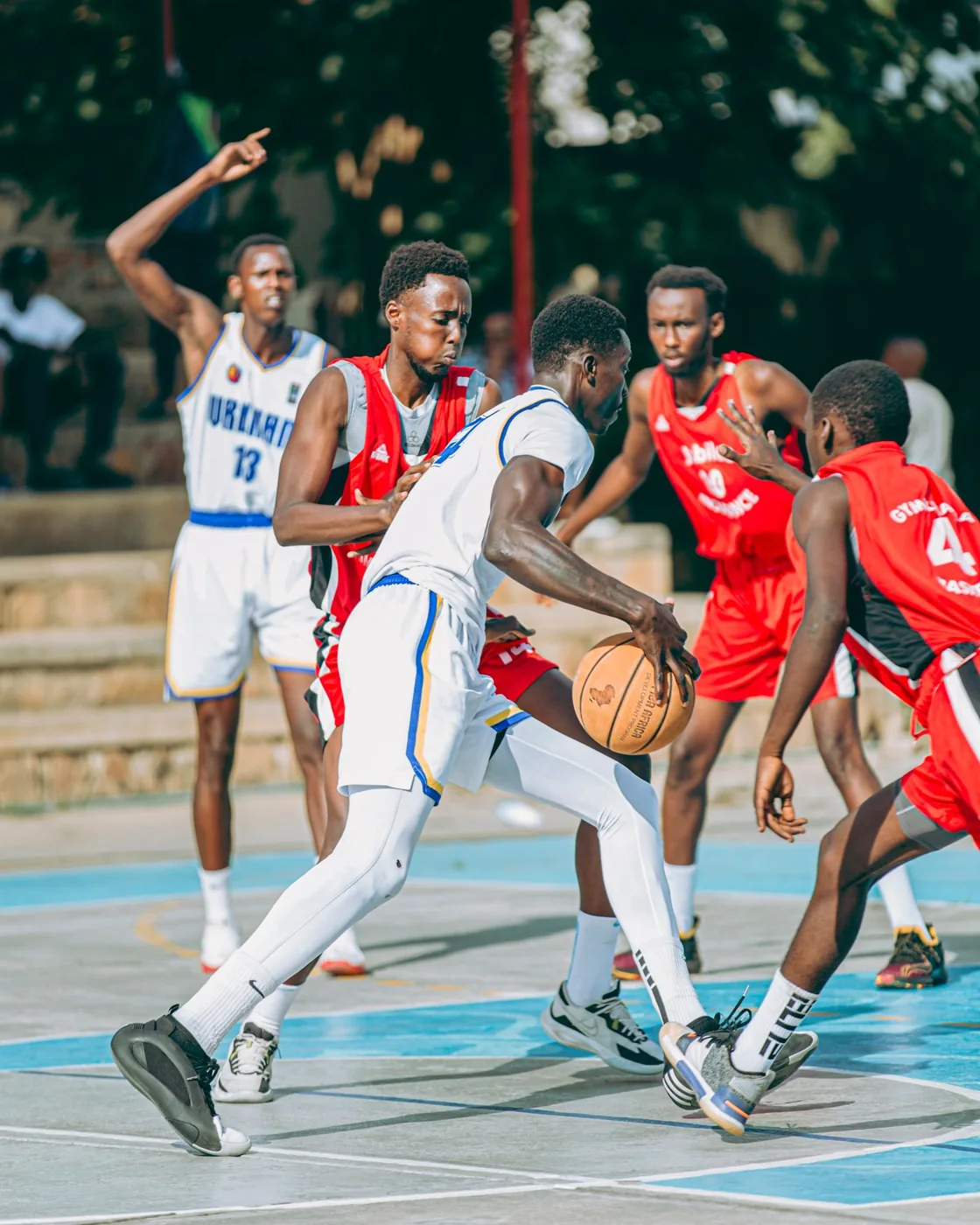
A teammate gets beaten, and you step toward the driving player. That can prevent an easy finish, but it may also leave your own assignment open. Helping is a shared defensive decision, not an individual chase for the ball. Start with the team's coverage and communicate before the drive reaches the rim.
Agree on the help before committing
Some teams want to keep the ball away from the middle; others direct it toward planned support. Before a run, ask where help is expected and who covers the next pass. Even a brief agreement is better than five players making unrelated guesses.
Your help position should let you respond before an emergency. If you wait directly beside your player until the driver reaches the basket, the only remaining action may be a late contest. Shift with the ball while keeping both the drive and your assignment in view.
A short step toward the lane can show the handler that space is occupied without fully abandoning your player. A deeper help action may be needed when a teammate has been clearly beaten. The difference is whether you can still recover directly or whether another teammate must rotate.
Do not make a dramatic lunge at every dribble. A handler who is still contained may use your unnecessary commitment to create the open pass they wanted. Read the actual advantage: where is their defender, and is there a clear route to the basket?
Stay controlled at the help point
Move into useful position early and keep your body under control. Do not sprint across a driver's path at the last instant hoping that any contact will favor you. Contesting a finish should respect the shooter's space and the applicable contact rules.
Keep your hands active without reaching wildly across the body. Your first value may be making the driver slow down, pick up the ball or pass. Chasing a steal can turn a manageable drive into an uncontested finish if you miss.
Recover with the next pass
When the ball leaves the driver, find the receiver and your new responsibility immediately. If you are returning to your own player, use a controlled closeout that can respond to a shot or drive. Do not fly past them trying to erase the distance in one leap.
If another defender has covered your assignment, call the exchange and take the uncovered player according to the team's rotation. Silent recovery often sends two defenders to one shooter while someone else remains alone. The next job may differ from the matchup you started with.
Work through a drive and kick-out
Use three offensive players against three defenders with the ball beginning on a wing. The handler drives at controlled speed, one defender helps and the offense chooses an available pass. Pause after the pass to identify each defender's next assignment.
Repeat from both sides and vary whether the initial defender stays attached or gets beaten. This prevents the helper from leaving automatically on every repetition. Count successful possessions by a contained drive and covered next catch, not merely by whether the first shot happened to miss.
Help when the drive creates a real threat, then communicate and cover the next catch instead of watching the ball.
Something unclear? Send a correction or question.