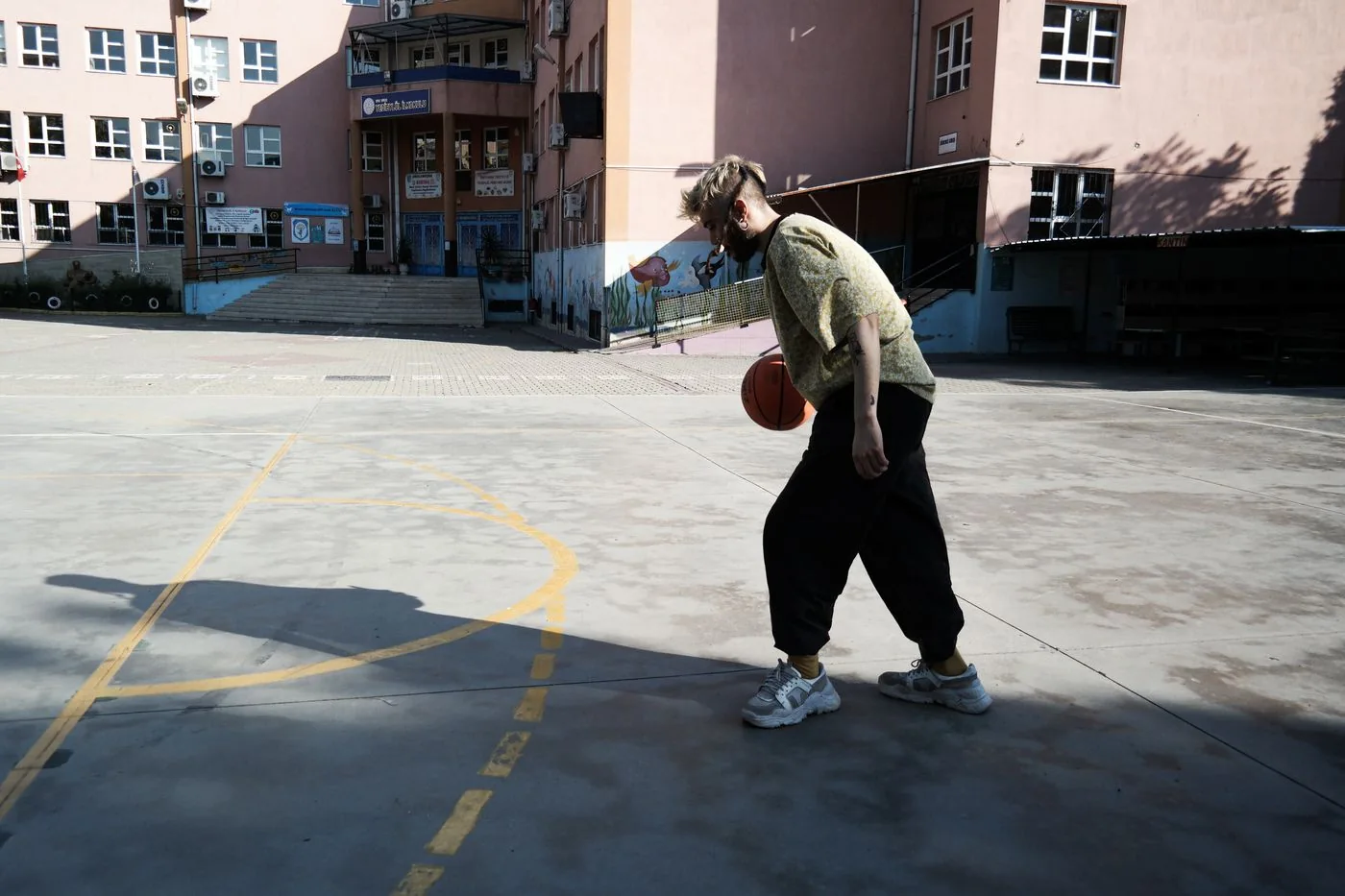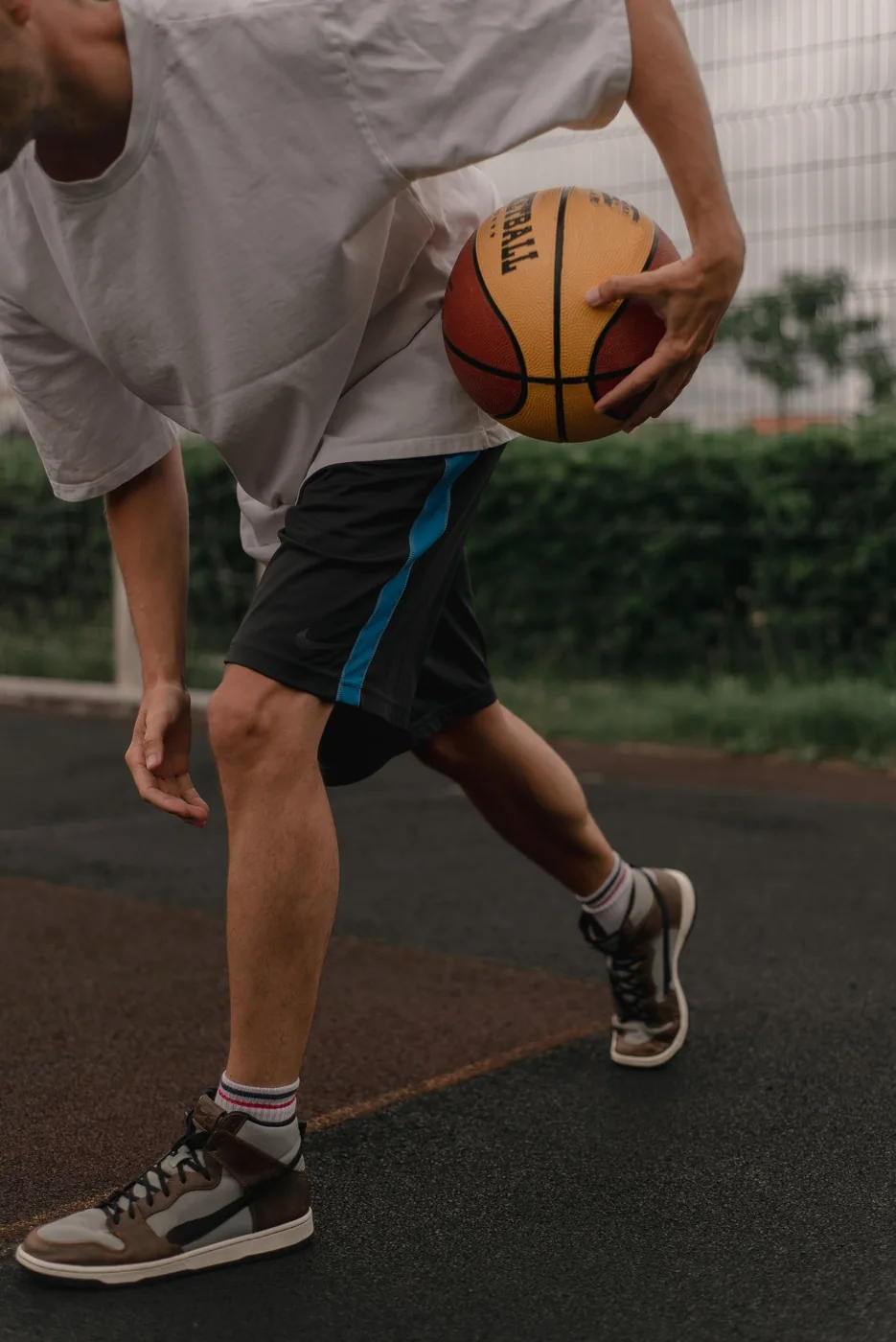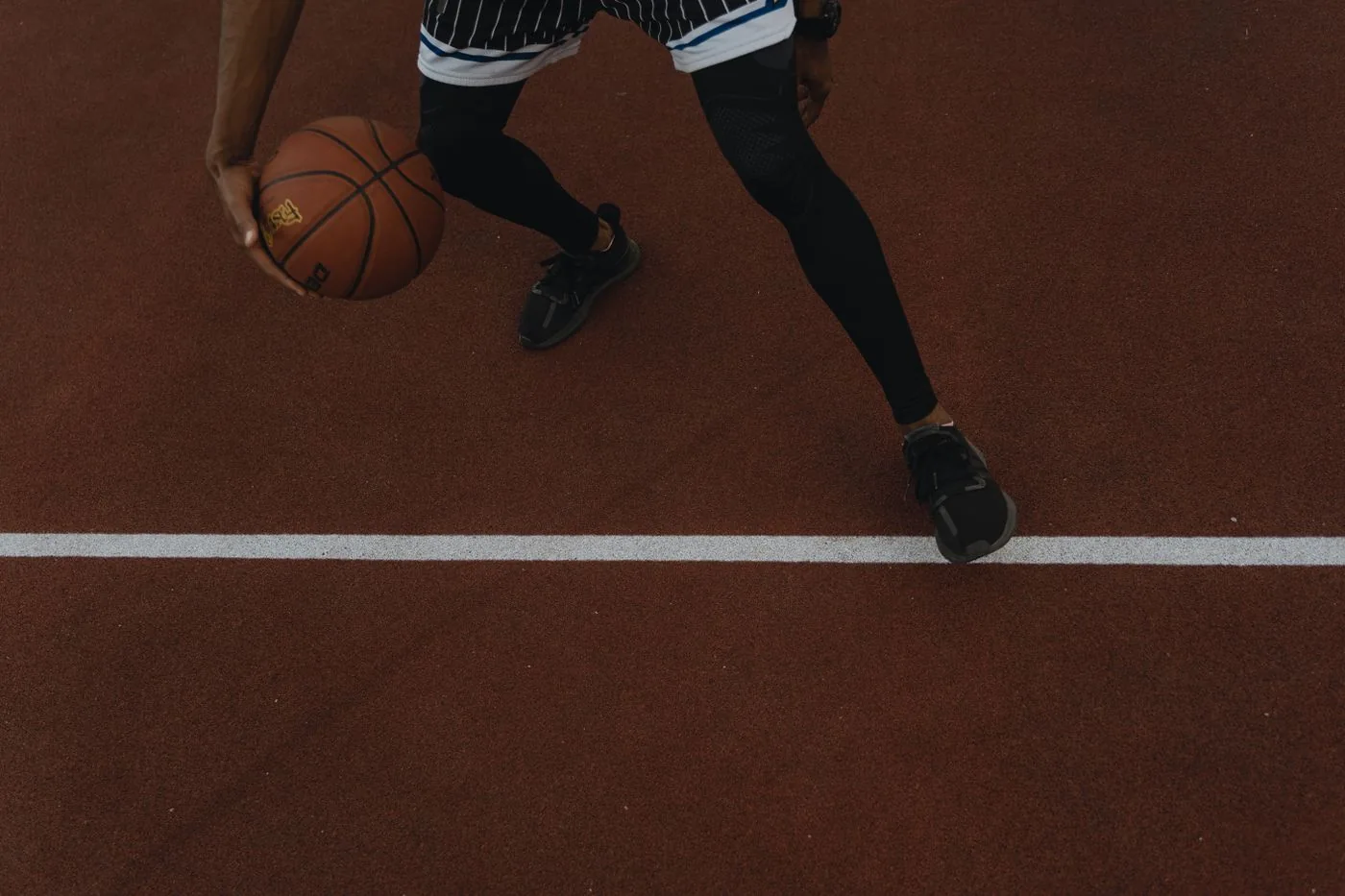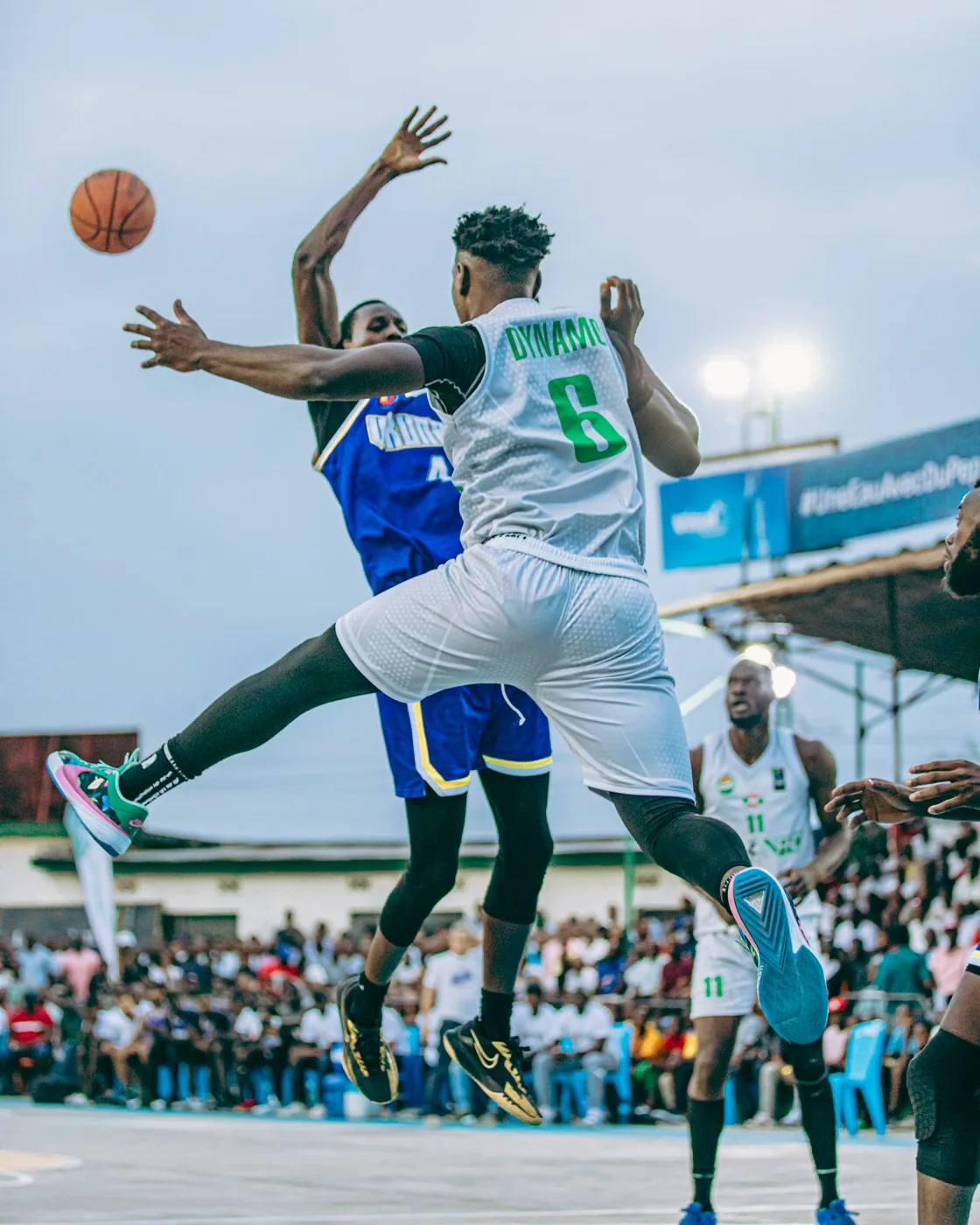
Leading a teammate means delivering the ball where their movement and the pass can meet. Throwing at the spot they occupied when you began the pass often puts the ball behind them. Throwing too far ahead turns the catch into a chase. Start with a short, predictable route and learn to read the receiver's speed, the available space and the pace of your delivery together.
Build a shared route
Set two clear reference points several steps apart. The receiver walks between them while the passer stands off to the side with a clear lane. Deliver the ball to a hand target slightly ahead of the receiver's body, allowing them to catch without twisting backward. Begin with short distances and comfortable passes. The receiver should keep a steady pace for the first set so the passer can learn the relationship. Ask whether the catch maintained the route, forced a stop or required a reach outside a comfortable range.
Separate timing from force
If the pass arrives behind, you may be releasing too late rather than throwing too slowly. Repeat the same route and release earlier before adding power. If it arrives too far ahead, delay the release slightly or bring the target closer to the receiver's path. Change one variable across a small set. A stronger pass is not always the solution; excess pace can make a short catch unnecessarily difficult. Watch the receiver's hips and direction rather than tracking only their hands, which may move while the body follows a different route.
Use a signal without waiting too long
Ask the receiver to show a hand target when they are ready. The signal helps confirm awareness, but keep observing the open lane. If the target appears after the receiver has already entered traffic, retain the ball and restart. Practice both a straight run and a gentle cut toward the basket, with ample space between repetitions. The intended catch position changes with the direction. A ball that leads a straight run correctly can pull a cutting player away from the hoop if you aim at the wrong side.
Add a defender to the passing window
Put a passive defender between you and the route, then allow them to shade one part of it. The receiver moves into whichever section remains open. Decide whether the pass can arrive before the defender closes the lane. Keep early repetitions slow and avoid high, speculative throws that send someone into a crowded landing area. Count catches made in stride in open space. When a pass fails, describe whether the route, timing, target or delivery pace caused the problem. That detail points to a clearer correction than simply telling the passer to be more accurate.
Use a steady walking route for ten lead passes, changing release timing before force, then repeat with a gentle cut and an agreed hand target.
Something unclear? Send a correction or question.