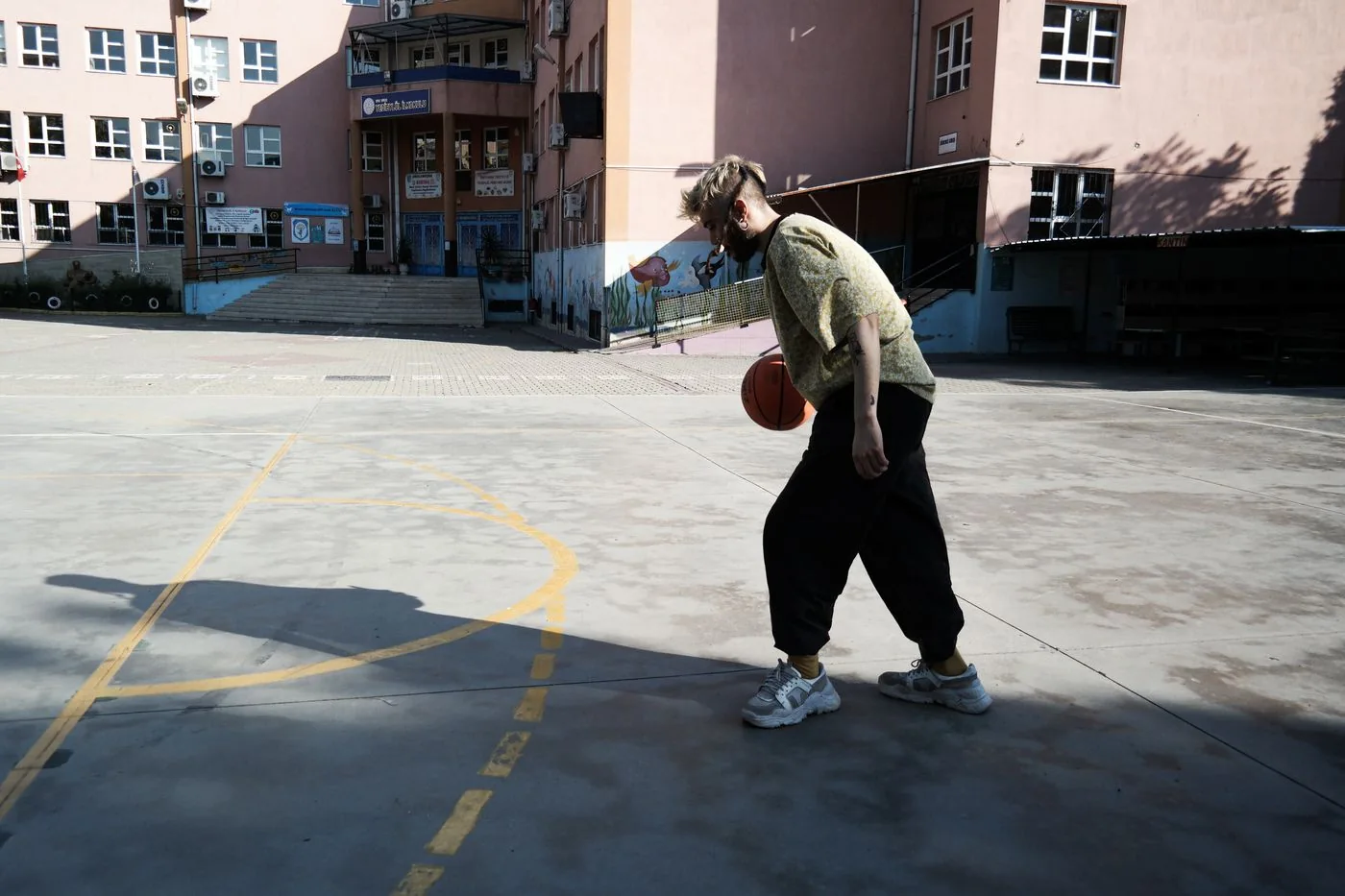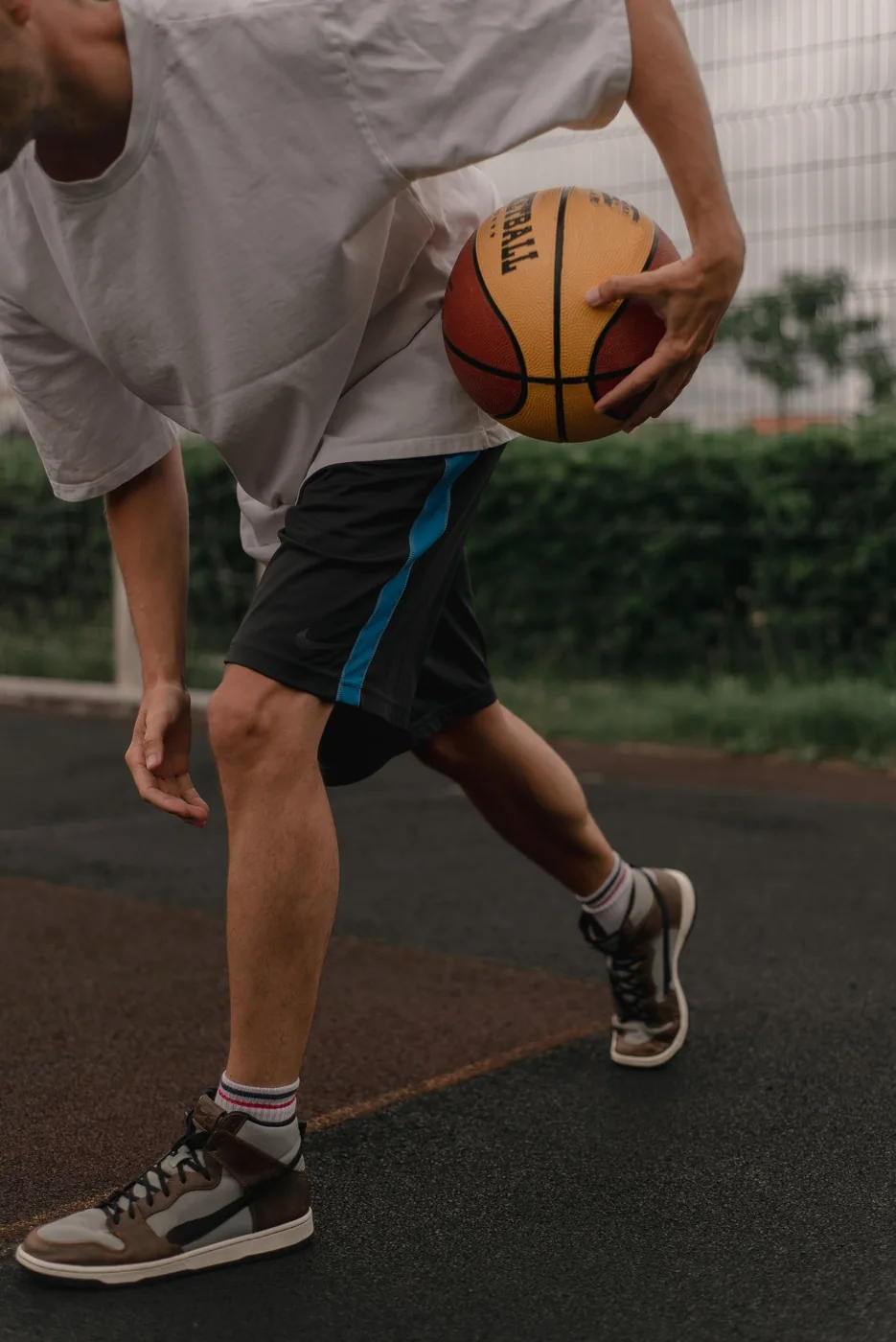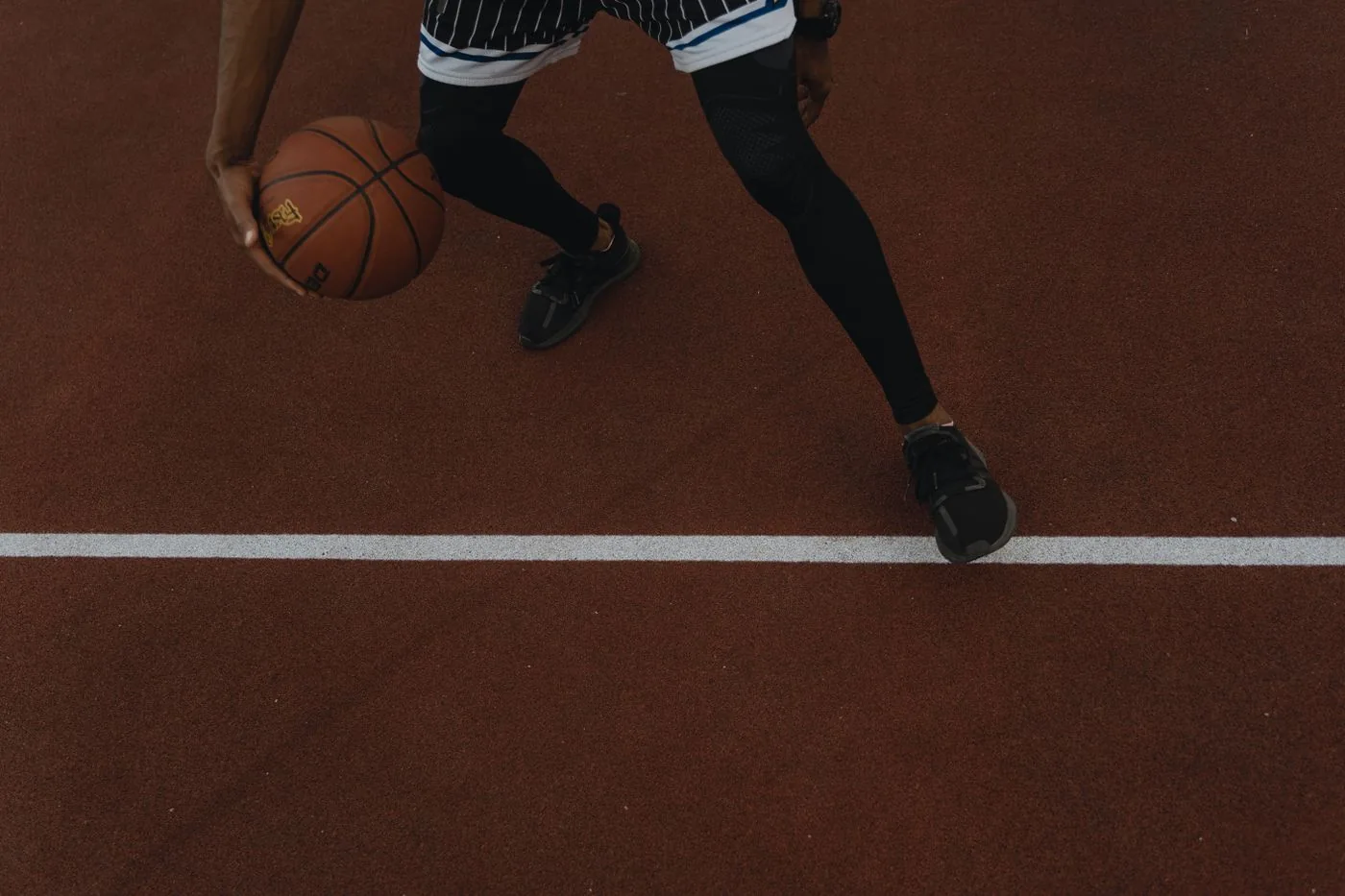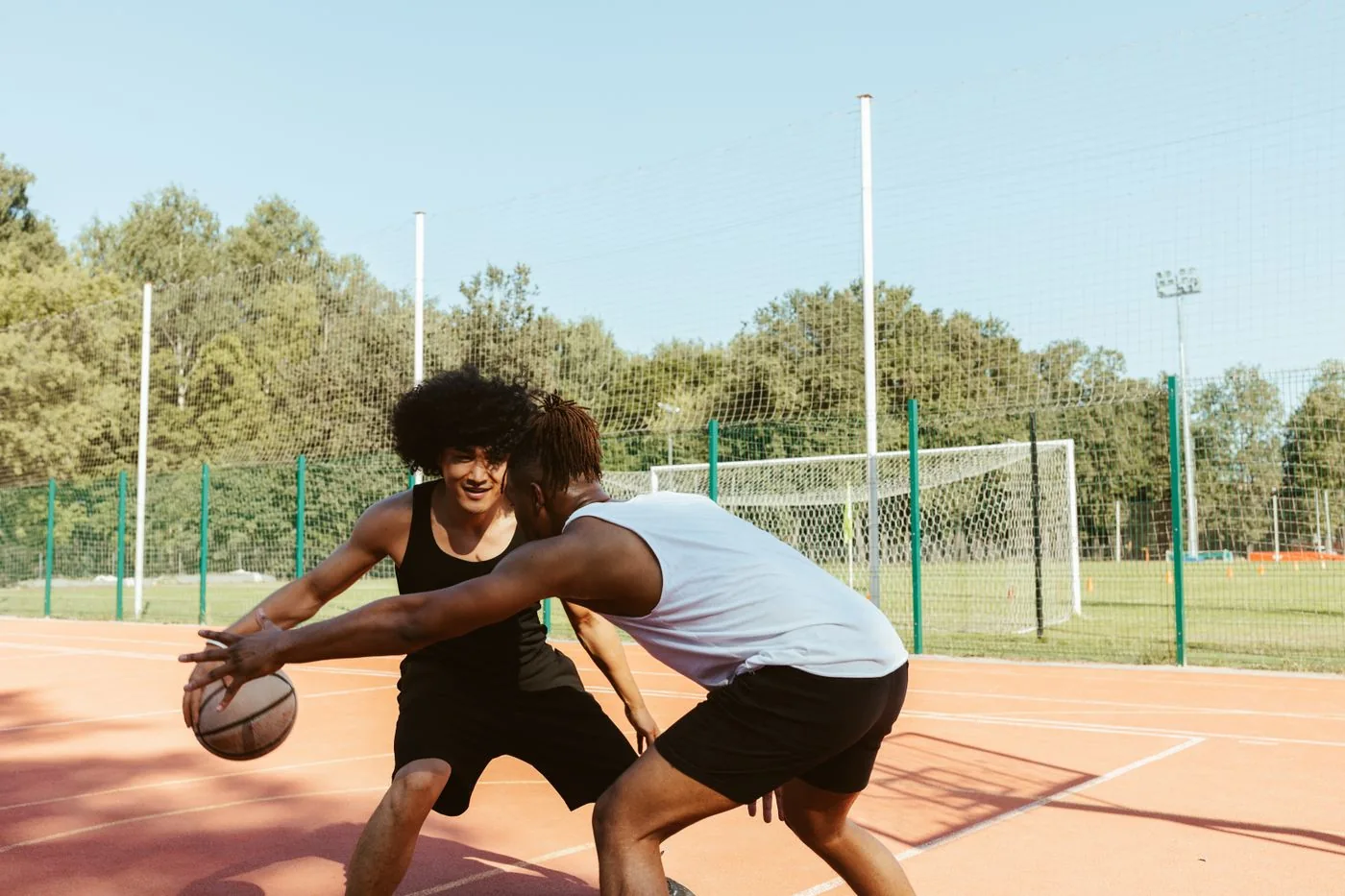
Two players can create decisions that solo practice cannot, but a workout can also become one person shooting while the other retrieves balls. Agree on the purpose before you begin. Choose a few skills that benefit from a passer, observer or defender, then exchange roles on a clear schedule. The session should leave both players with repetitions, feedback and one specific thing to carry into a game.
Compare goals before choosing drills
Each player names one situation they want to improve: catching on the move, finishing left-handed or slowing an attacking opponent, for example. Look for a shared drill that serves both goals. A wing catch into a controlled drive can train the passer's placement and the receiver's footwork, while alternating defensive roles adds another decision. Avoid selecting a long workout from a list without asking what either player needs. Keep the first plan modest enough that you can finish it rather than rushing through many unfinished activities.
Use timed or counted role changes
Agree on short blocks such as six attempts or a few minutes before switching. The exact length can suit the activity, but it should be visible to both players. In a shooting block, the rebounder can observe one agreed detail and deliver consistent passes. In a passing block, both players work each repetition. Do not let one hot shooting streak repeatedly postpone the swap. Equal attention matters even when the players have different experience or one is quicker at retrieving the ball.
Give feedback the player can use
Choose one observation before the set. A partner might track whether the shooter lands balanced or whether a lead pass arrives ahead of the body. After the set, describe what happened in concrete terms: three of six catches required a backward reach. Avoid diagnosing every part of the movement or making broad claims about talent. Ask what the player felt, then agree on one adjustment for the next block. Short, specific feedback leaves more attention available for the actual practice.
Build from cooperation to decisions
Begin with predictable passes and routes. Next, introduce two options, such as a defender holding position or closing a lane. Finish with a brief live task that preserves the focus. For example, start each possession with a wing catch and allow the receiver to shoot, drive or return the pass. Set clear boundaries and agree on contact before beginning. A fully competitive game too early can bury the skill you intended to work on beneath familiar habits.
Leave with a record
At the end, each player writes one result and one next step. Include the setup so the next session can repeat it: starting spot, role, pace and number of attempts. Return balls and markers to a safe place and check that both players had a chance to practice their chosen situation.
Before the next shared workout, choose one goal each, agree on role changes and finish with a short live task that tests both goals.
Something unclear? Send a correction or question.