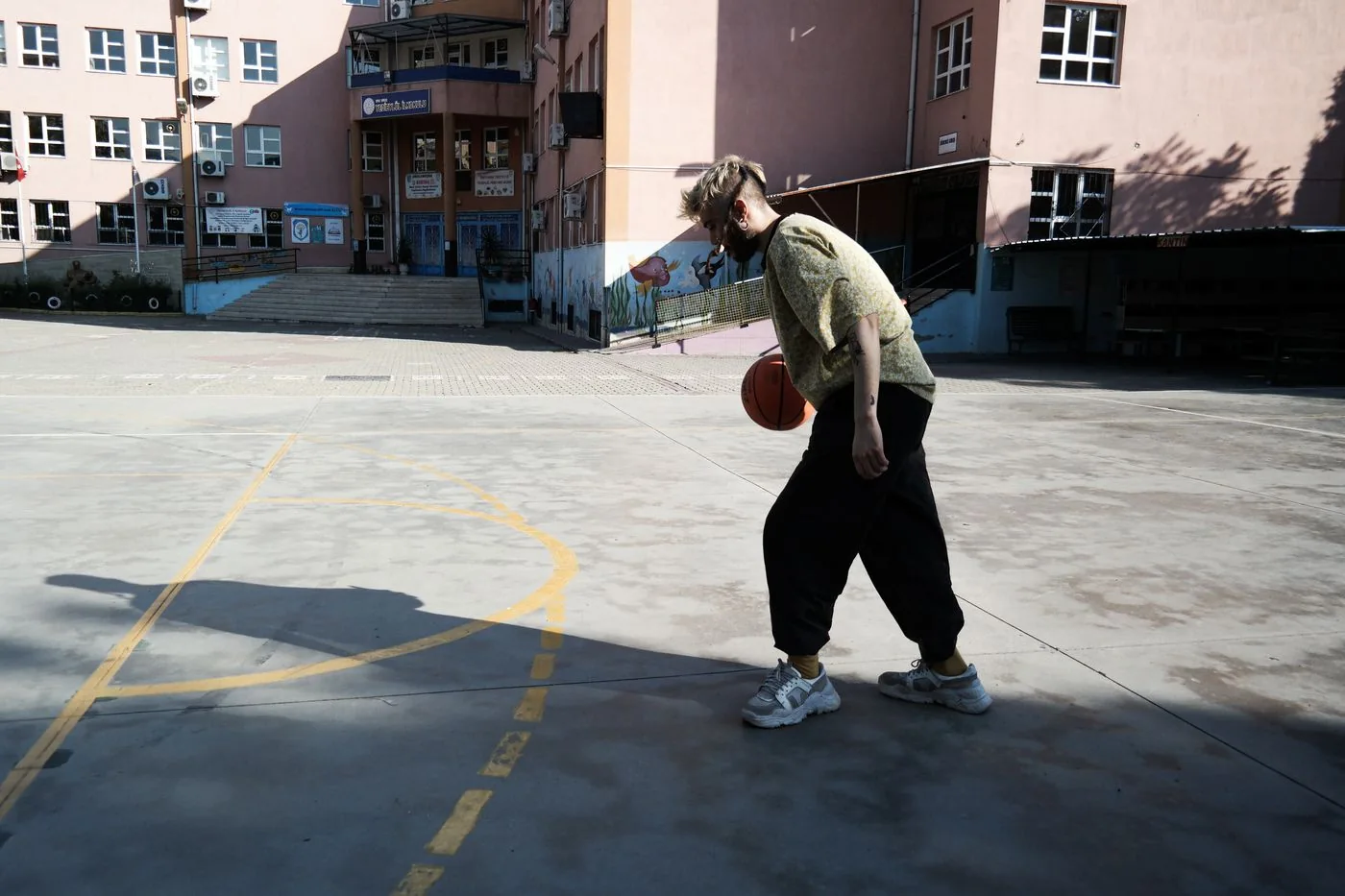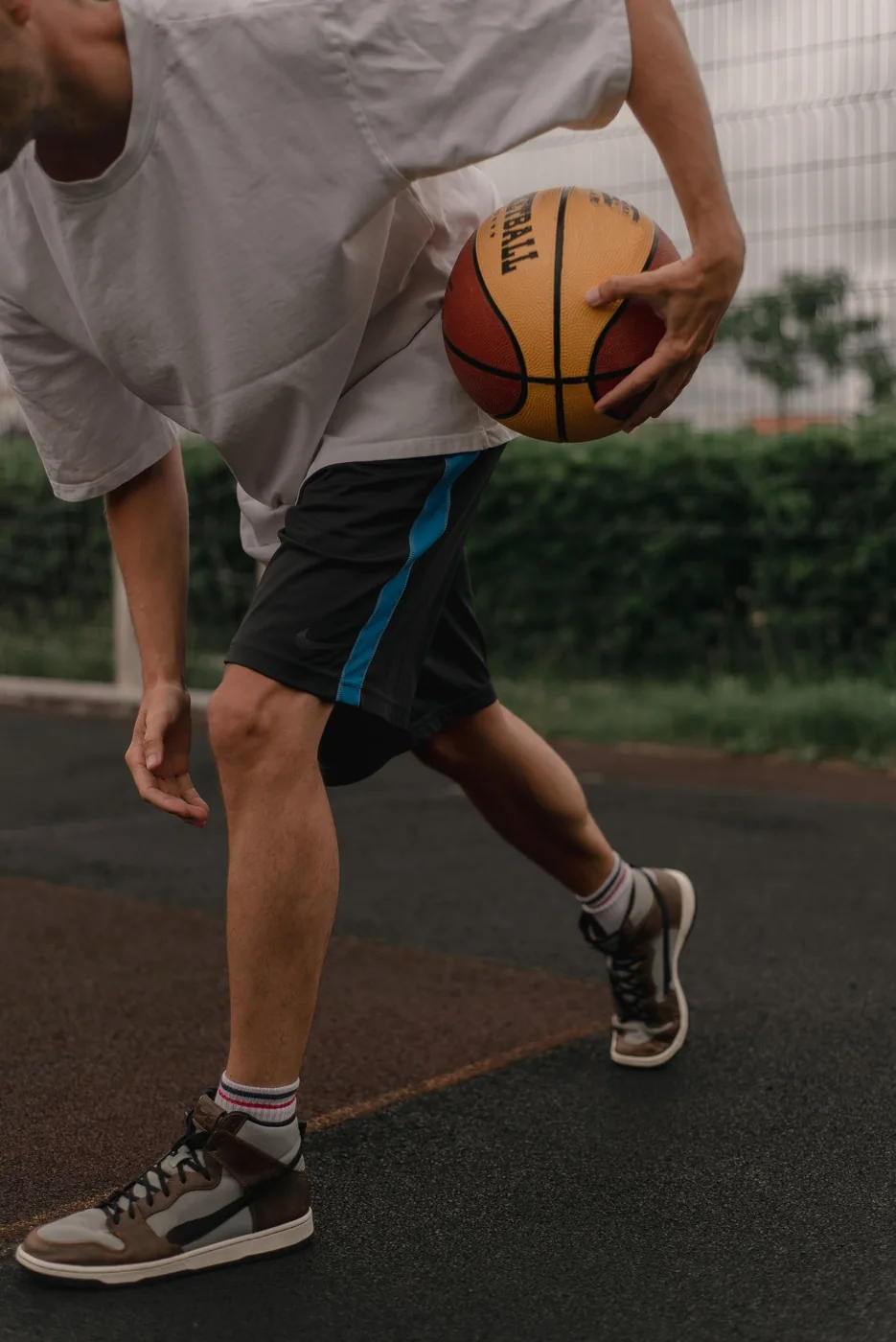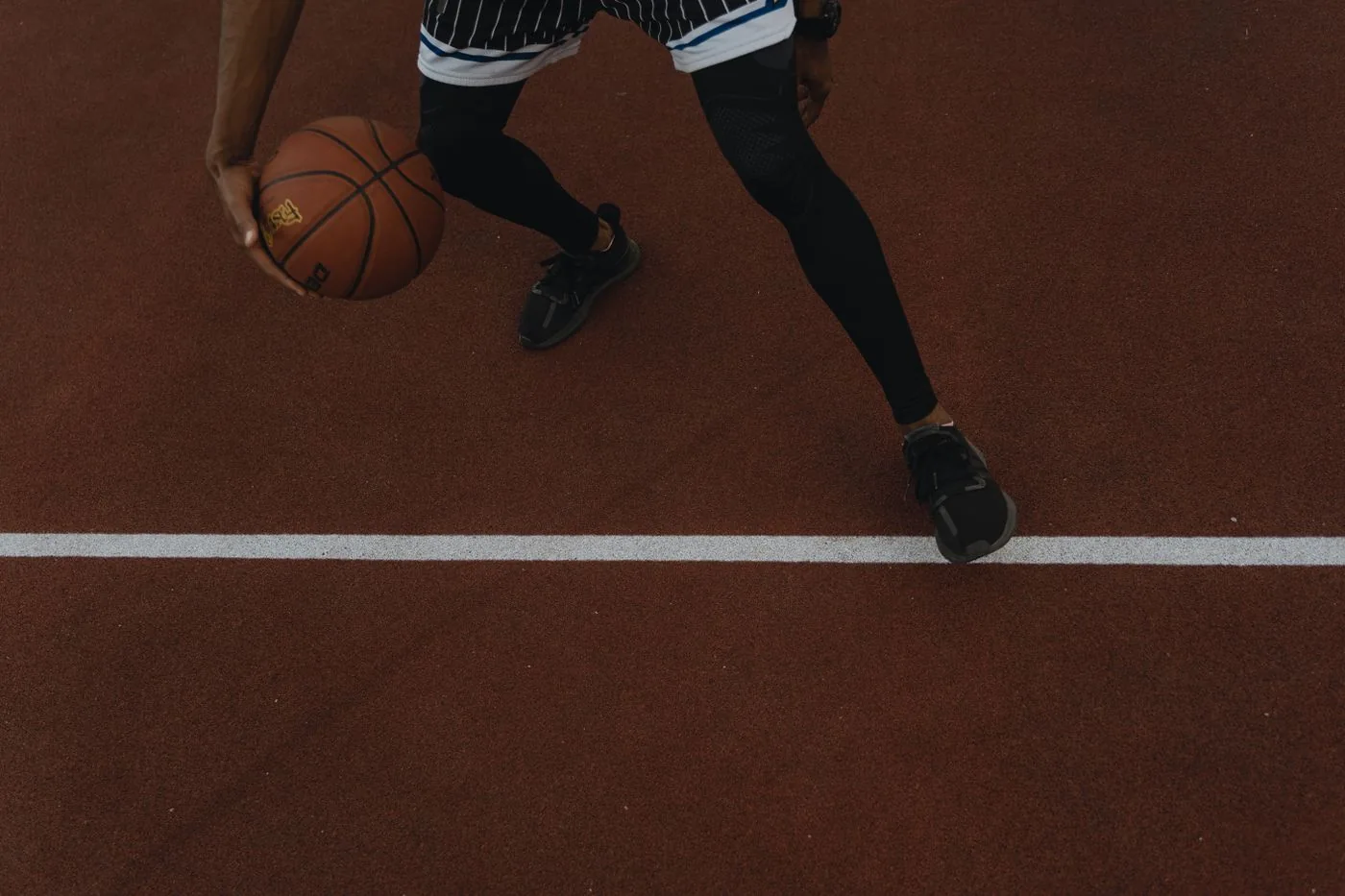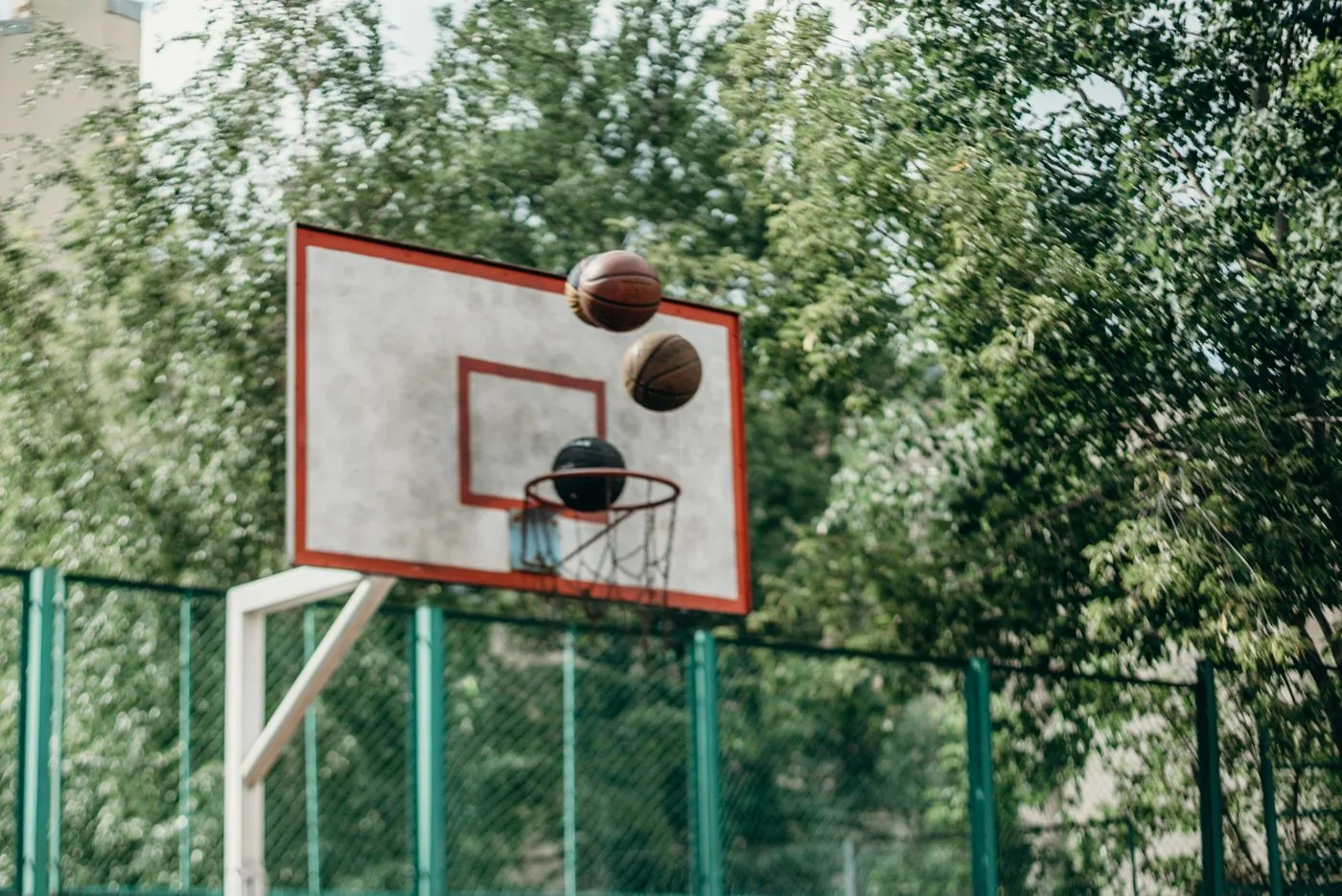
One short shot and one long shot do not establish a diagnosis. Bounce, distance, pass quality and your starting balance can all affect the result. Treat misses as observations gathered across a small, consistent set. That approach gives you something more useful than an immediate instruction to change your elbow after every attempt. You are looking for a repeatable cause that can be tested, while preserving the parts of your shot that already feel organized.
Make the attempts comparable
Choose one familiar spot and take ten shots with similar preparation. Use the same type of pass or the same stationary start, and avoid changing distance halfway through. Mark makes, short misses, long misses and obvious misses to either side. If a shot hits several parts of the rim, record the first contact when you can see it. A partner makes this easier. Keep uncertain results in their own column rather than inventing precision. The notes are meant to reveal a broad tendency, not produce a perfect technical measurement.
Check arrival and effort first
When short misses dominate, ask whether you are finishing off balance, releasing during a pause or shooting from beyond your comfortable range. When long misses dominate, look for an unusually forceful push or forward drift. These are possibilities to inspect, not automatic explanations. Take several shots one step closer while keeping the same preparation. If the motion becomes calmer and the misses narrow, distance may be a useful place to work. If the same erratic pattern remains, observe the setup and release before adding more effort.
Run one modest comparison
Choose a single change with an observable purpose, such as settling your feet before receiving or moving to a range where the release remains smooth. Shoot another small set and record it in the same way. Avoid changing stance, grip and aim together, because you will not know which adjustment mattered. A few extra makes can happen by chance, so also ask whether the movement became more repeatable. Repeat a promising comparison on another day before treating it as a permanent solution to every missed shot.
Use video to answer a narrow question
Record several attempts from a safe position off the playing area. Select a view that shows the question you are testing: a side view for forward movement, for example, or a front view for sideways finishes. Compare several makes and misses instead of choosing only the most awkward attempt. If the difference remains unclear, bring the short clips and your notes to a coach. Useful feedback starts with the pattern you observed. Do not let a single dramatic miss persuade you to rebuild a comfortable shot without evidence.
At your next session, log one ten-shot set from a fixed spot and test only the clearest repeated pattern with a small, measurable adjustment.
Something unclear? Send a correction or question.